
An enterprise by NS Agrotech
Expert guidance.Better yields.Always sustainable.
Farm planning, crop advisory and production support designed to improve productivity, profitability and long-term farm sustainability.
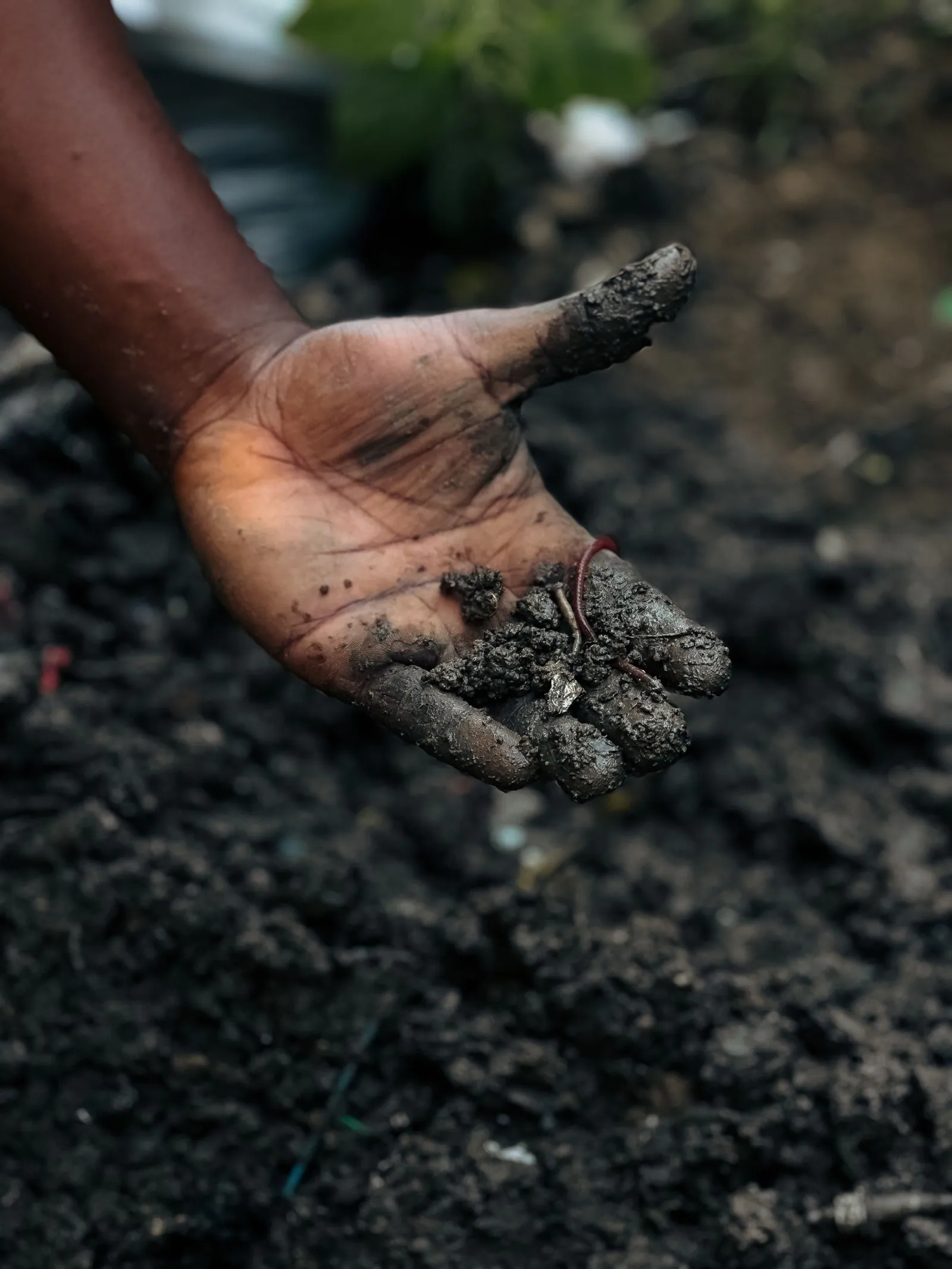
Soil & water
Testing and interpretation
Farm layout
Zoning, irrigation, drainage
Crop programme
Nutrition, Integrated Pest Management
Protected cultivation
Polyhouse and exotic cultivation
Who we are
We do not sell inputs. We help you decide.
Bhoomi Saksham is an agricultural consultancy. We work with farmers and agricultural businesses on the decisions that set a farm up — what the land can carry, which crop belongs on it, how it should be irrigated, and how the season is managed once it is planted.
Every recommendation traces back to something measurable: a soil test, a water analysis, a rainfall pattern, a market price. That is the difference between advice and guesswork.
- 01
Expert guidance
Practical solutions from field to yield.
- 02
Better yields
Increase productivity and profitability.
- 03
Sustainable practices
Eco-friendly farming for a greener future.
- 04
Trusted partner
Reliable support at every step.
- 05
Farmer focused
Your success is our mission.
What we do
One farm, six decisions.
These are not separate products. Each one constrains the next — the soil decides the crop, the crop decides the water, the water decides the structure.
- 01Farm Planning & DevelopmentLand assessment, suitability, farm layout
- 02Crop Selection & AdvisorySoil, climate and market-matched crop choice
- 03Crop ManagementSowing windows, nutrition, pest and disease
- 04Organic FarmingCertification, residue-free, input planning
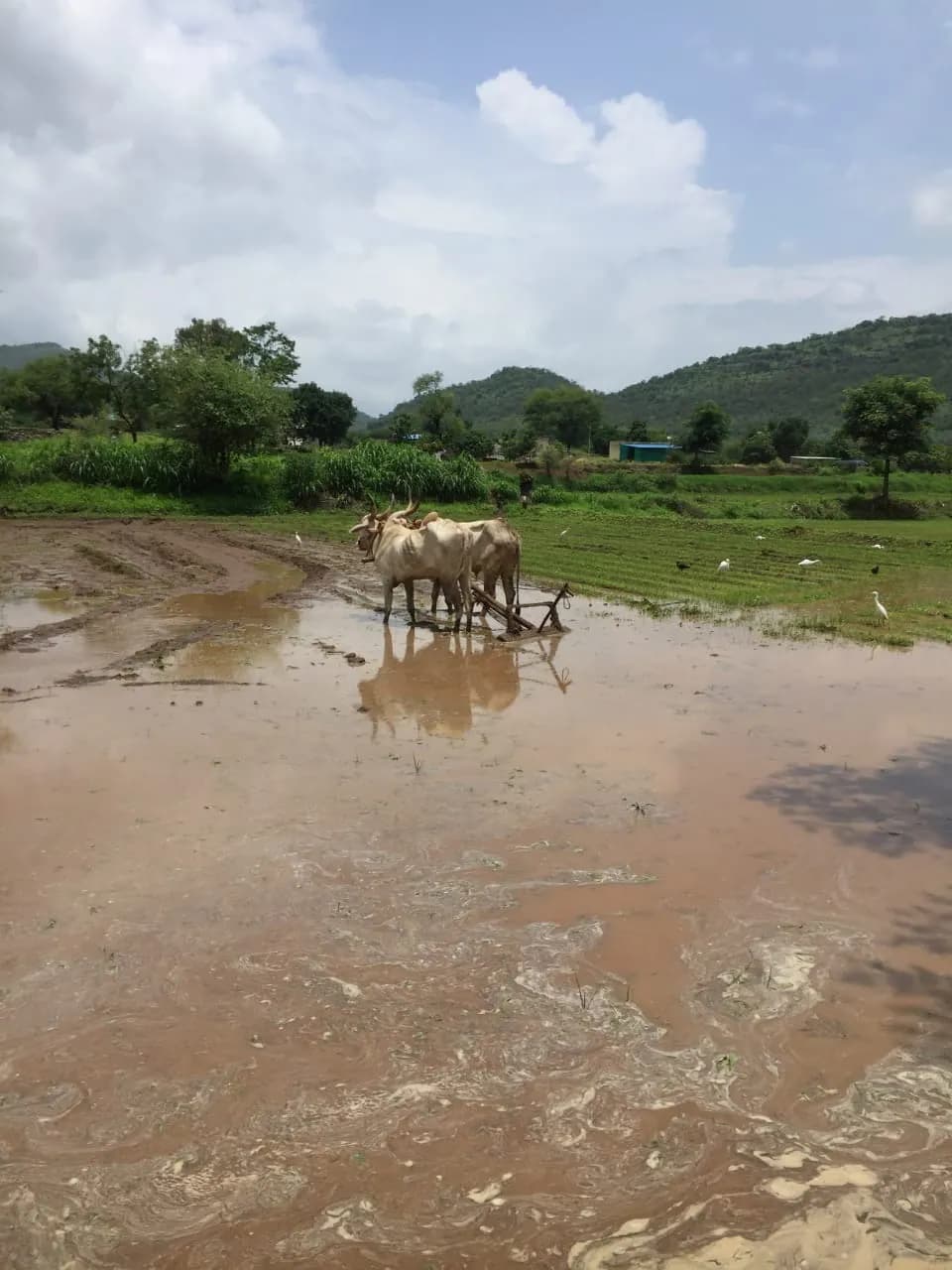
- 05Irrigation & Water PlanningDrip design, sprinklers, water harvesting
- 06Protected CultivationPolyhouse, exotic crop cultivation, greenhouse crop planning
How a recommendation is built
Nothing is recommended in isolation.
A crop plan that ignores the market is a hobby. A market plan that ignores the soil is a loss. We work the whole chain, in order, and every link constrains the one after it.
Stage 1 of 6 — Soil
Crops we support
Fruits, vegetables, orchards, flowers and high-value crops.
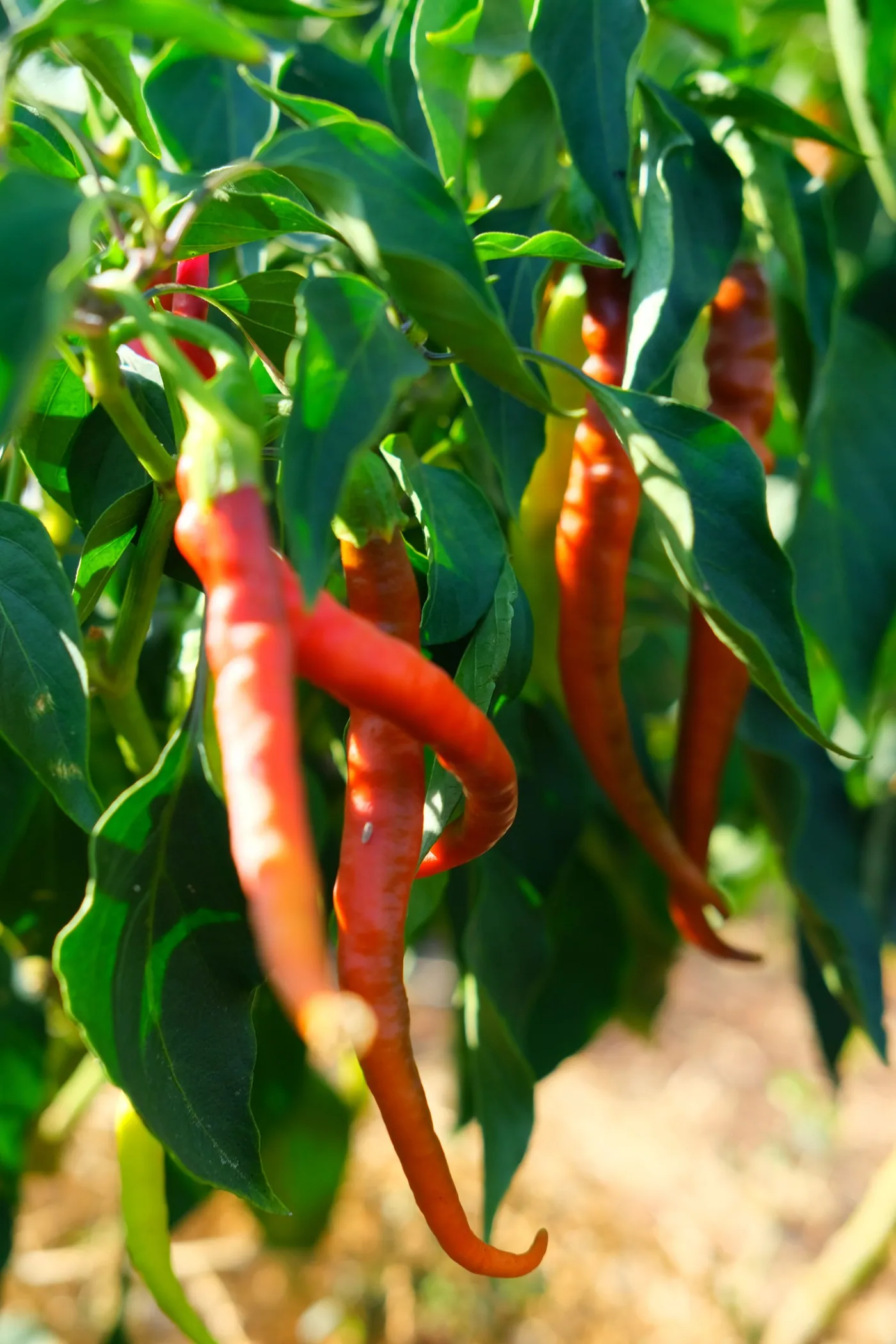
Chilli
MirchiThrips and virus pressure make monitoring and spray rotation decisive.
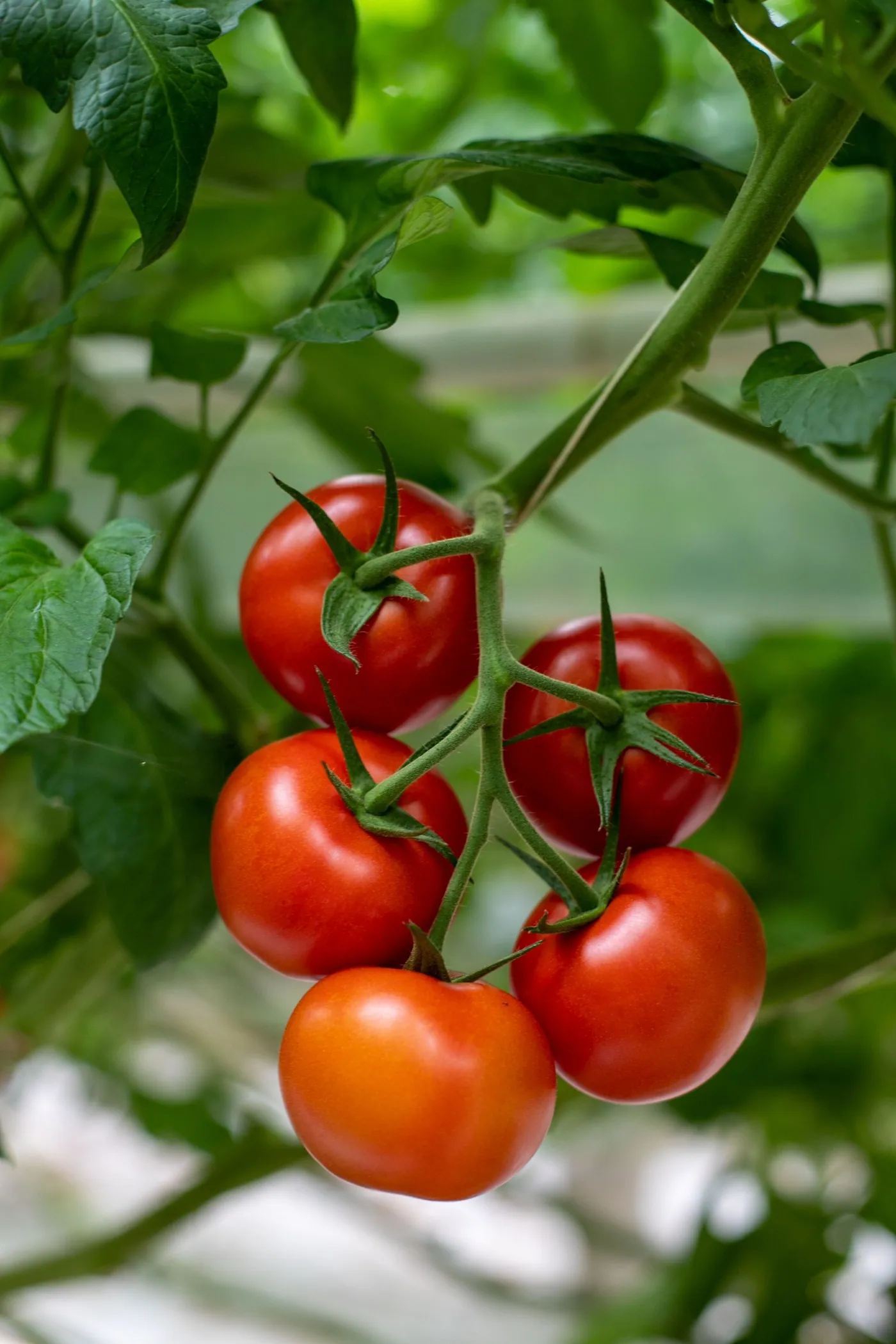
Tomato
Staggered sowing spreads both disease risk and market exposure.
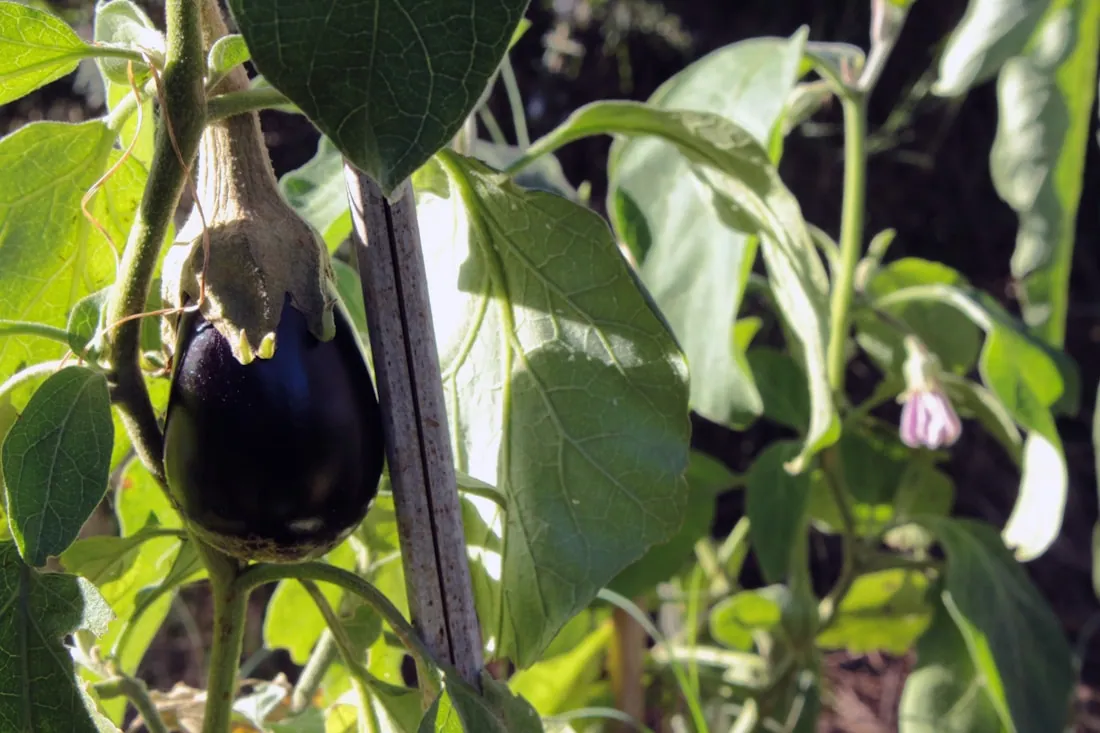
Brinjal
EggplantShoot and fruit borer is managed on traps and thresholds, not calendars.
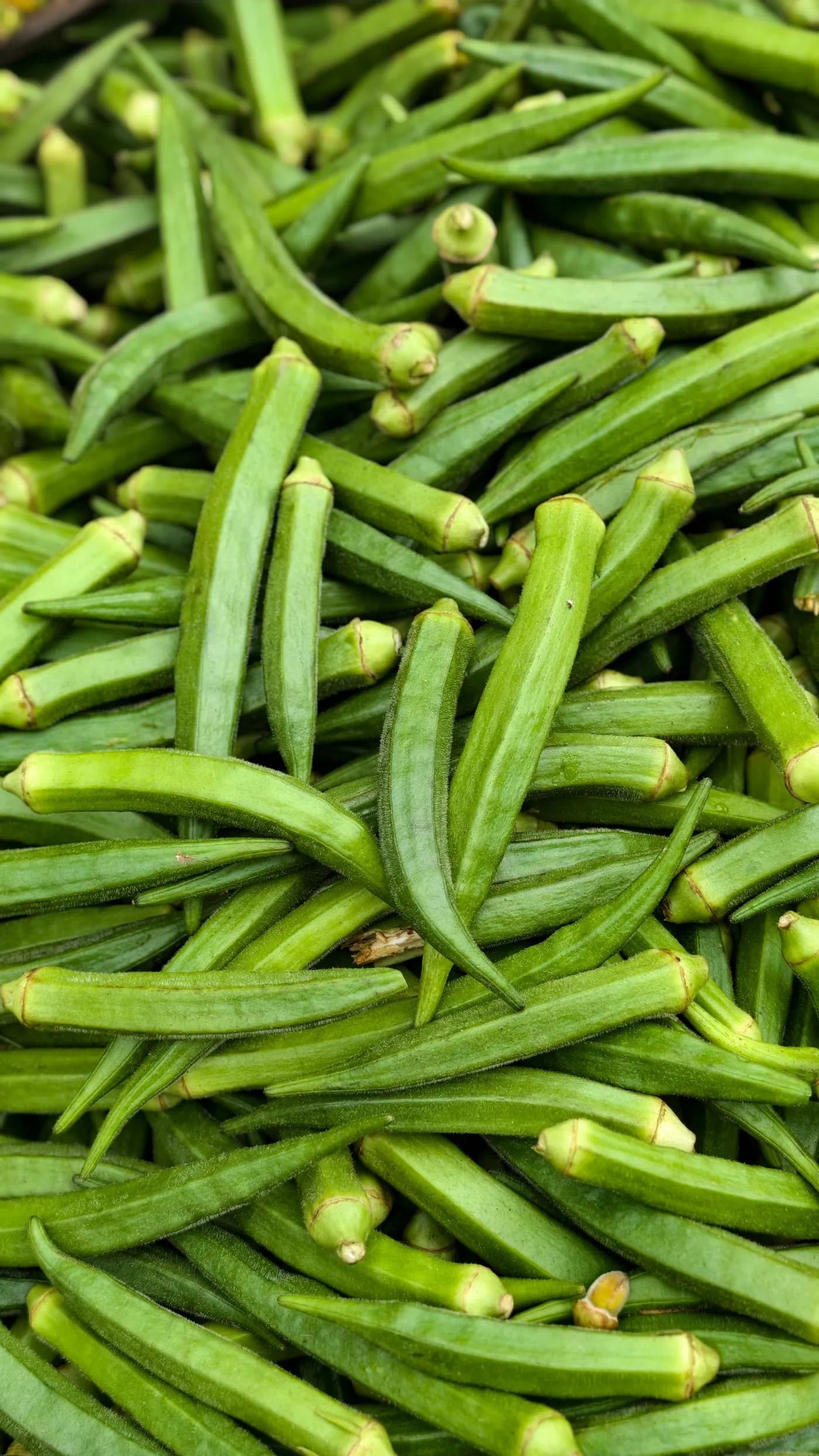
Okra
BhindiPicked every other day; yellow vein mosaic decides the variety before anything else.
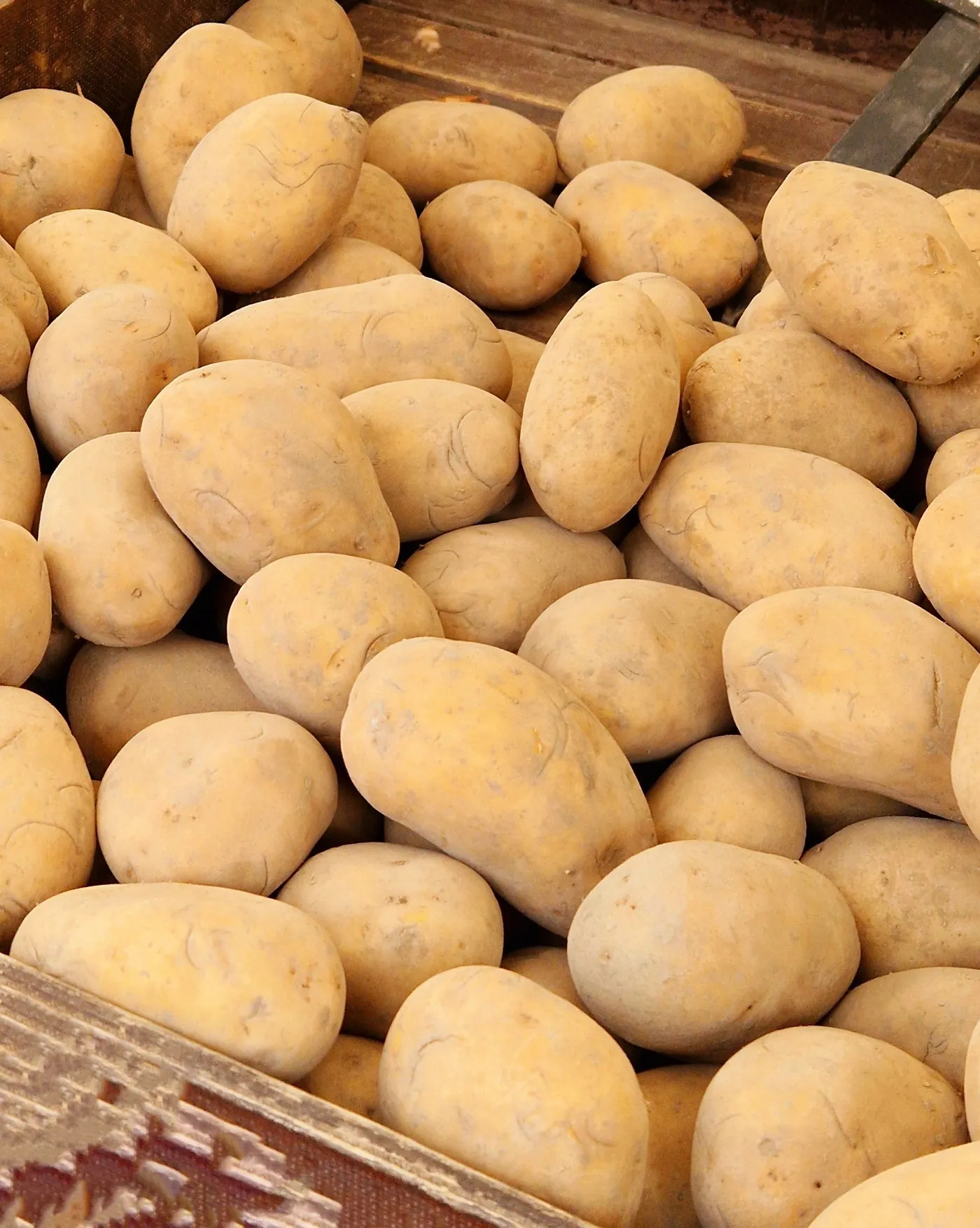
Potato
BatataSeed quality and the temperature at tuber initiation decide the grade more than fertiliser does.
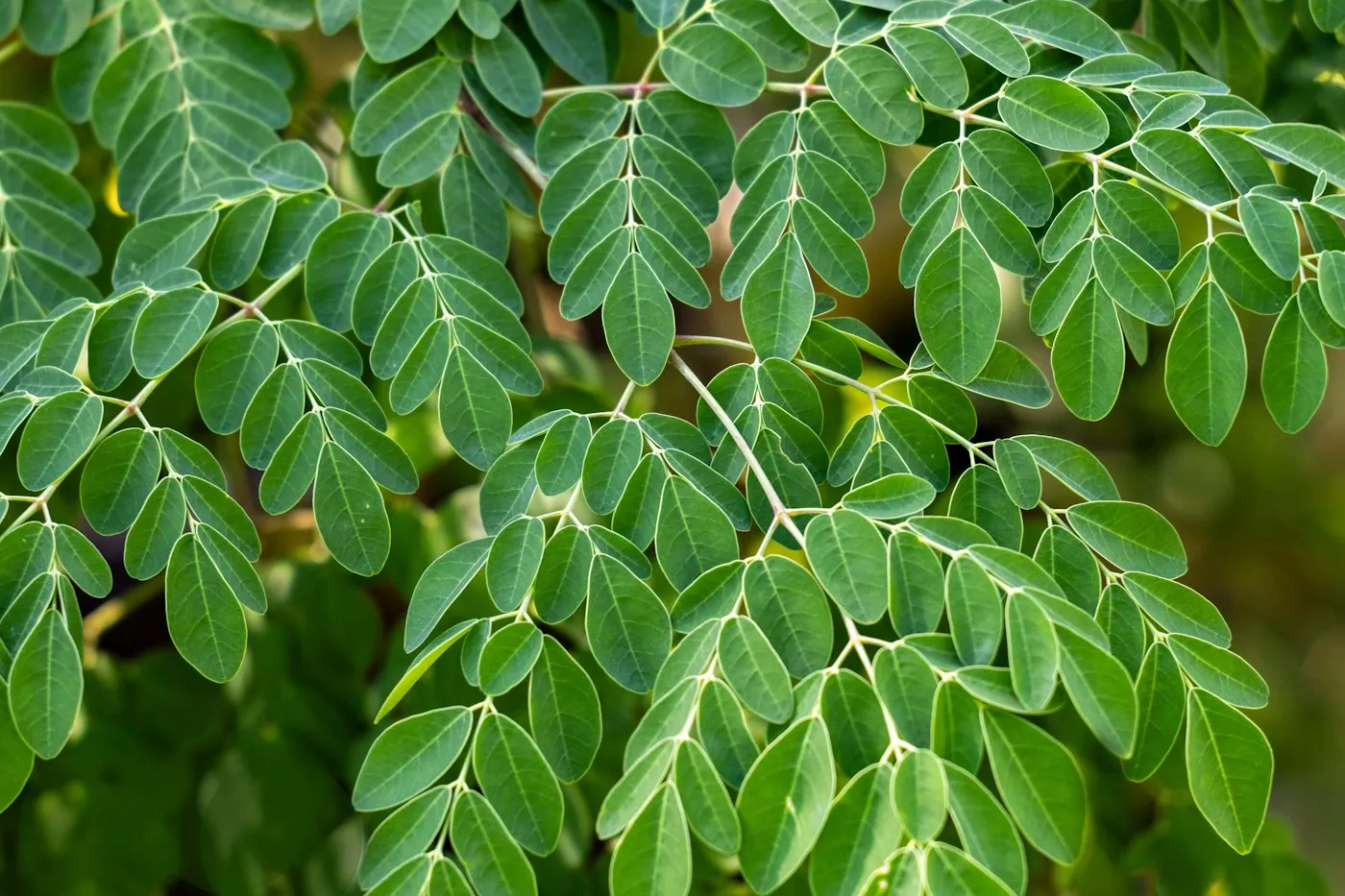
Moringa
ShevgaCut back after each flush so the pods stay in reach and the tree keeps bearing.
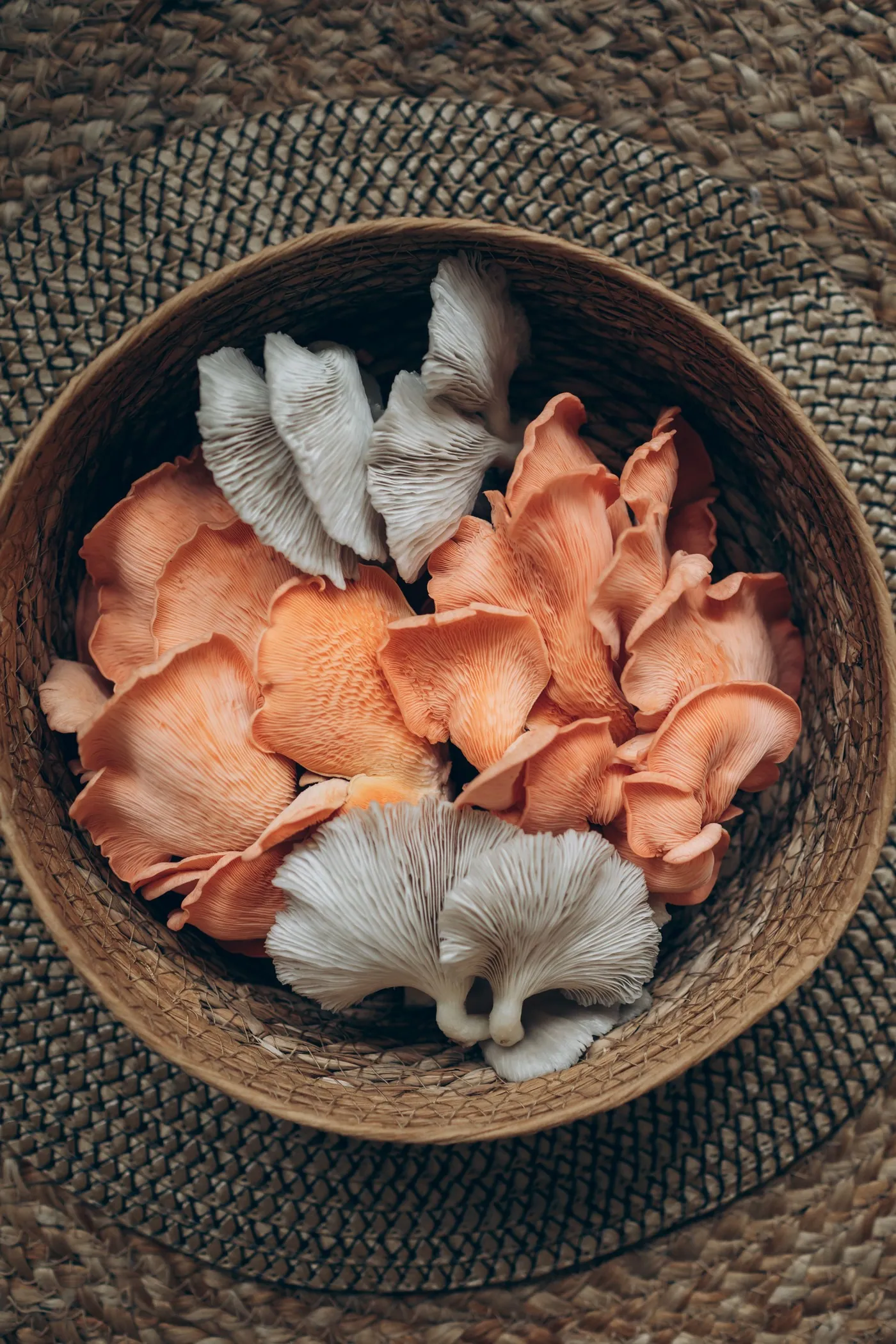
Oyster Mushroom
DhingriAn indoor crop: spawn quality, humidity and a clean room decide it, not land.
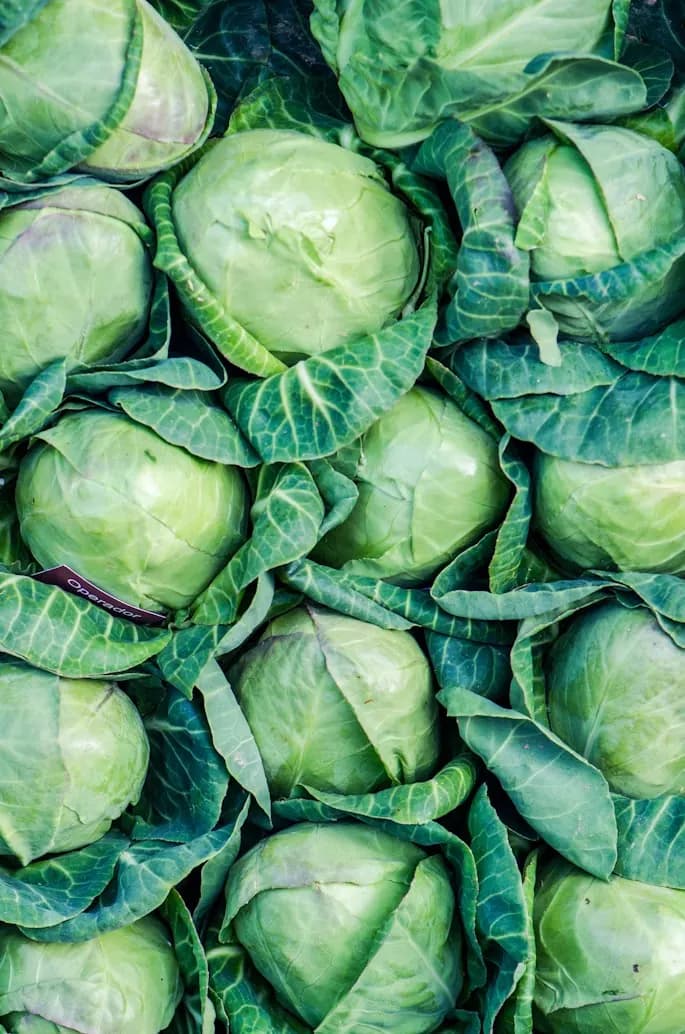
Cabbage
Patta GobiDiamondback moth sets the programme; the firmness of the head sets the harvest date.
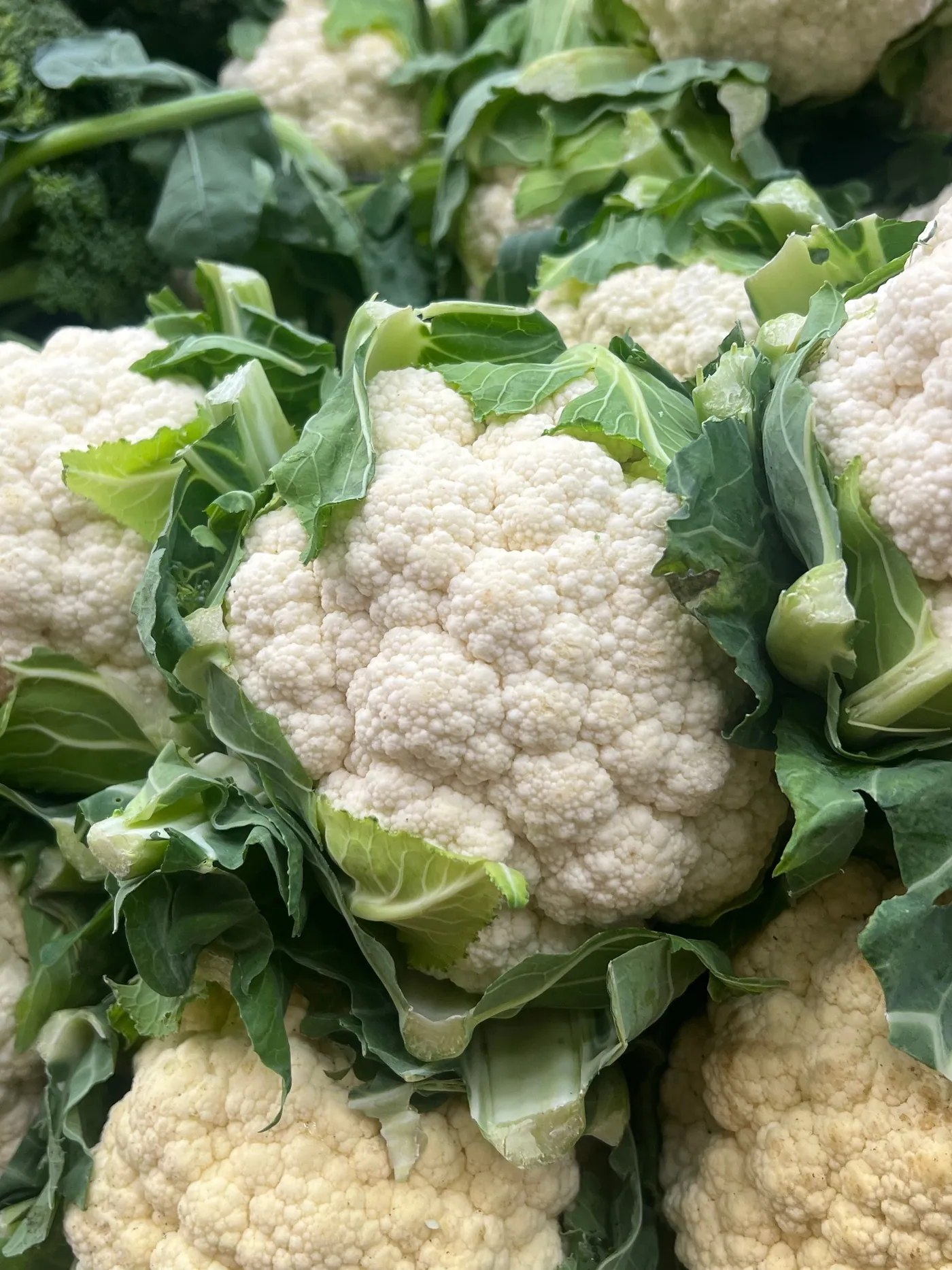
Cauliflower
Phool GobiThe variety is matched to the month — the wrong maturity group buttons or bolts.
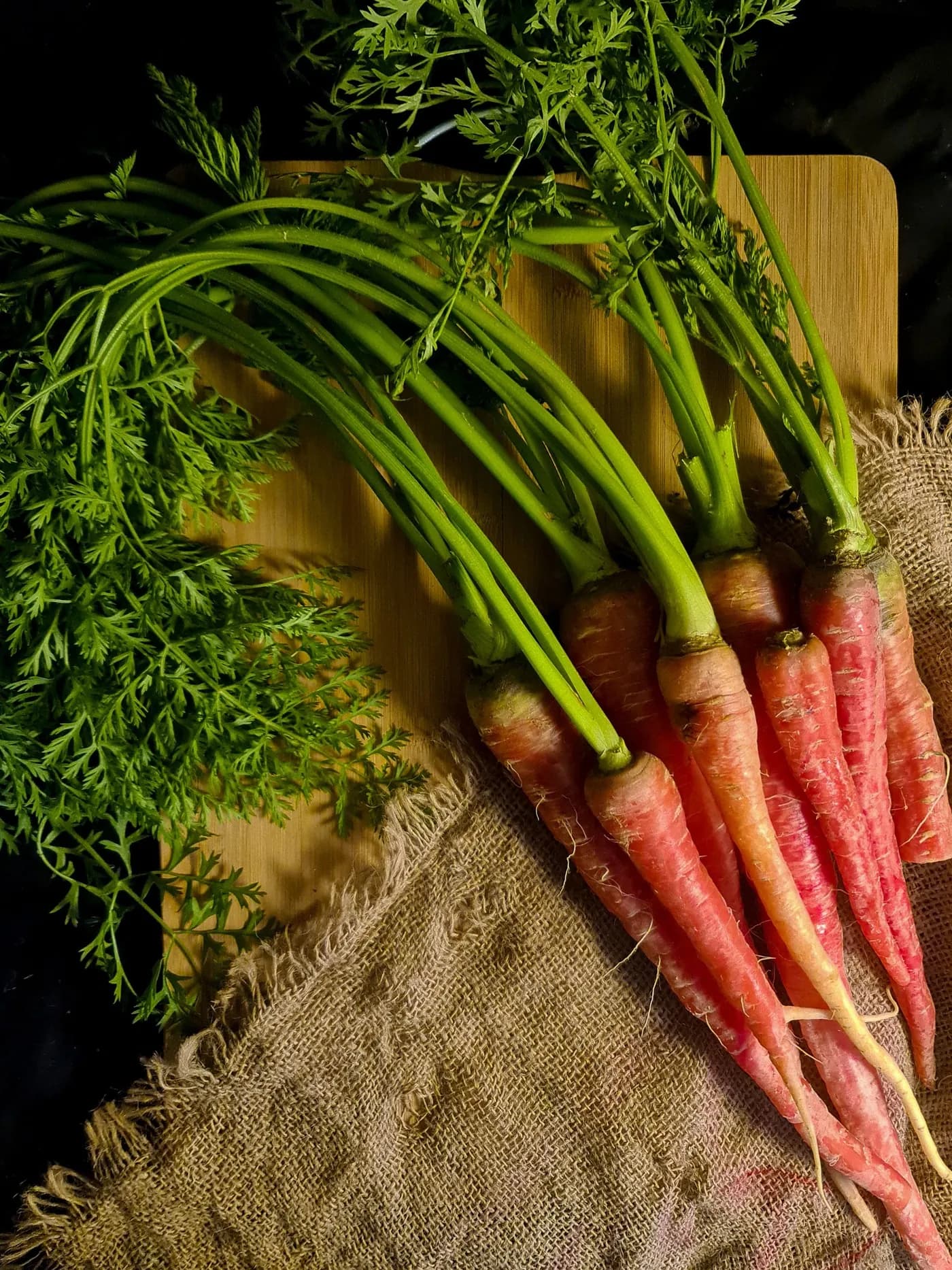
Carrot
GajarA deep, stone-free seedbed decides the shape; thinning decides the size.
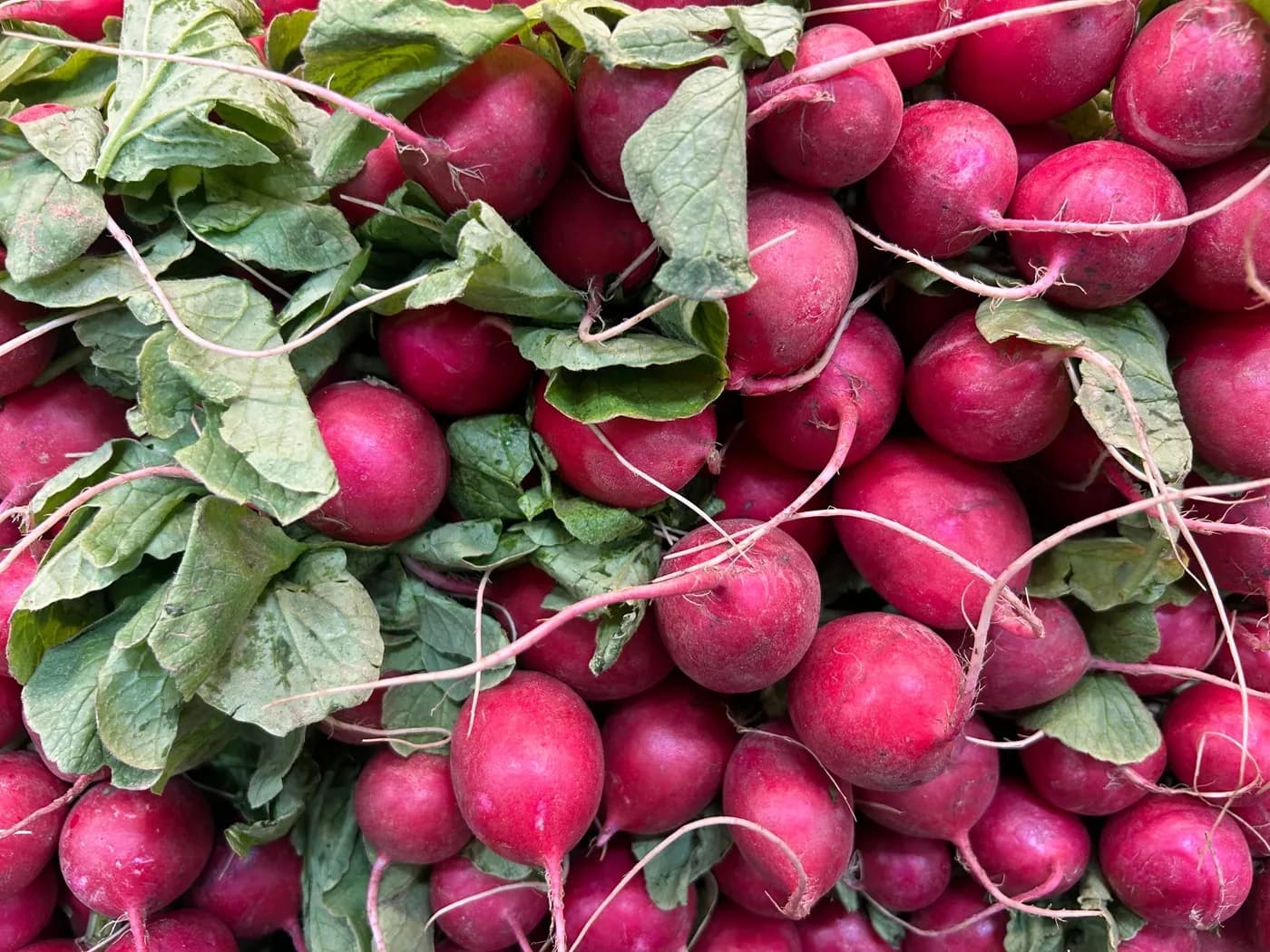
Radish
MulaReady in a month, so it is sown in small lots a week apart rather than all at once.
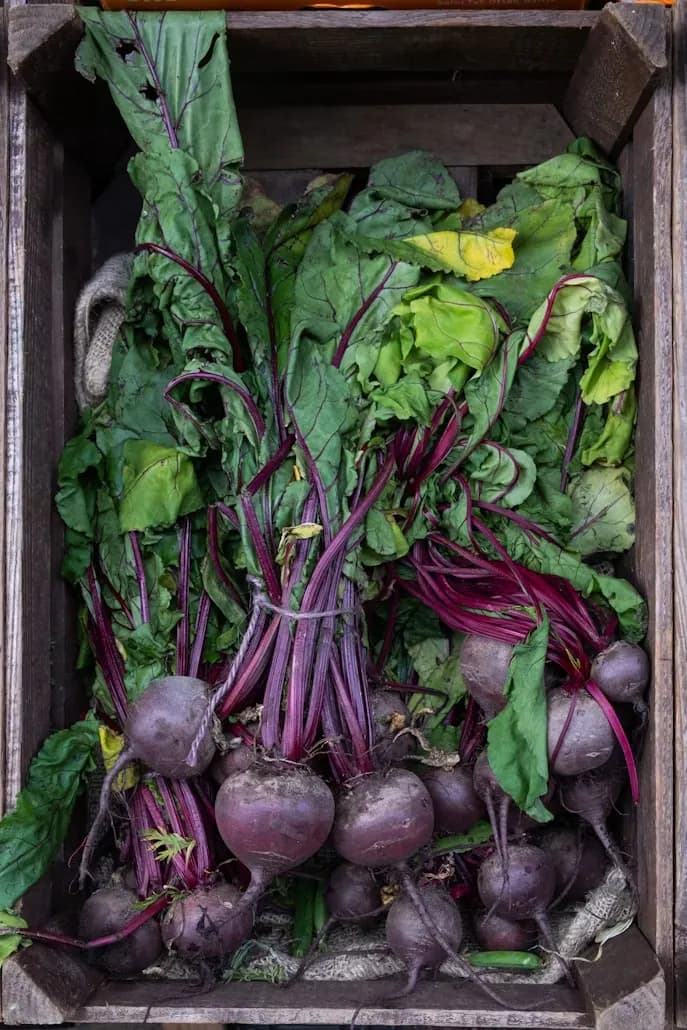
Beetroot
BeetA cool-season root: even moisture is what keeps it from turning woody.
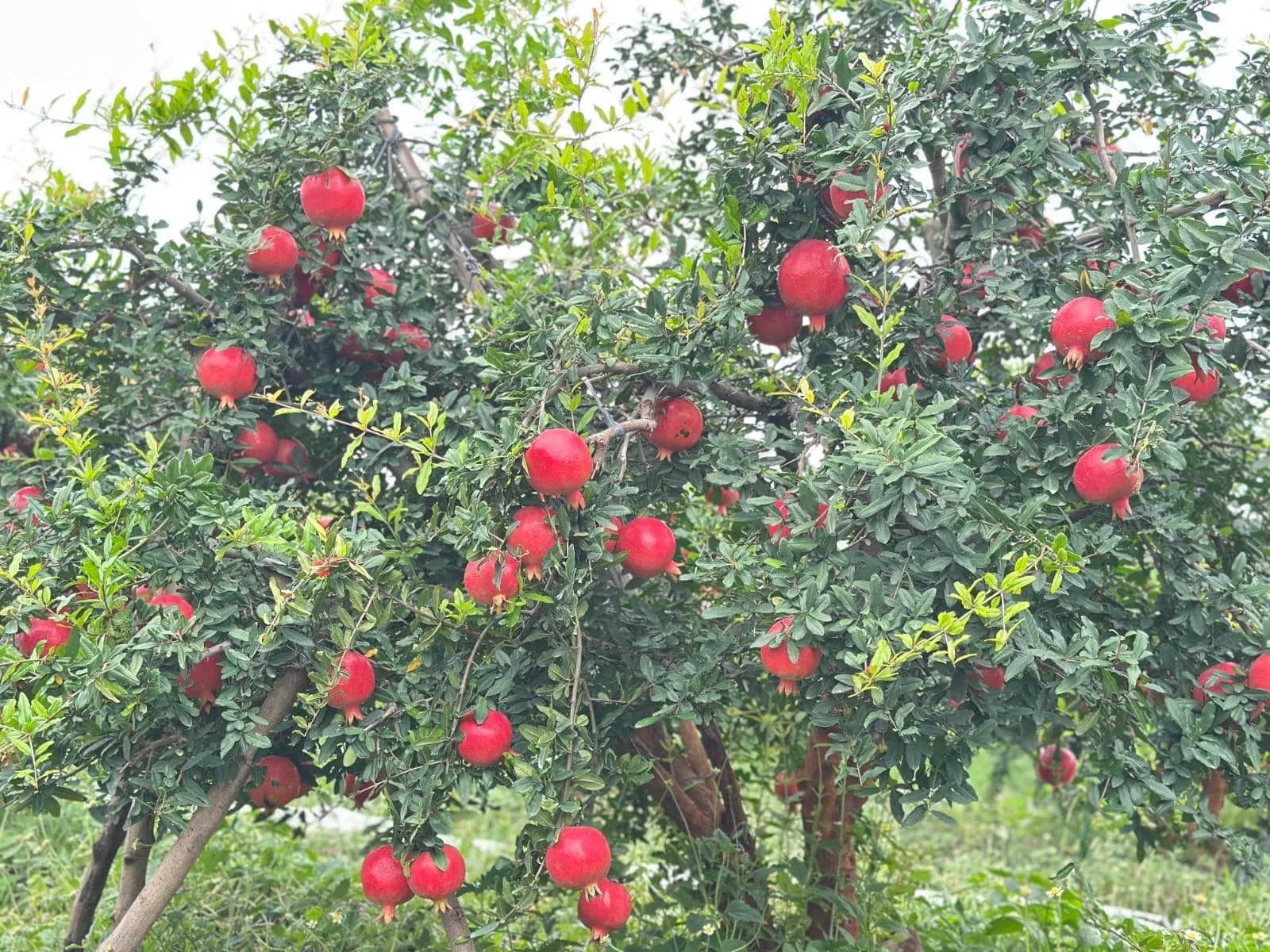
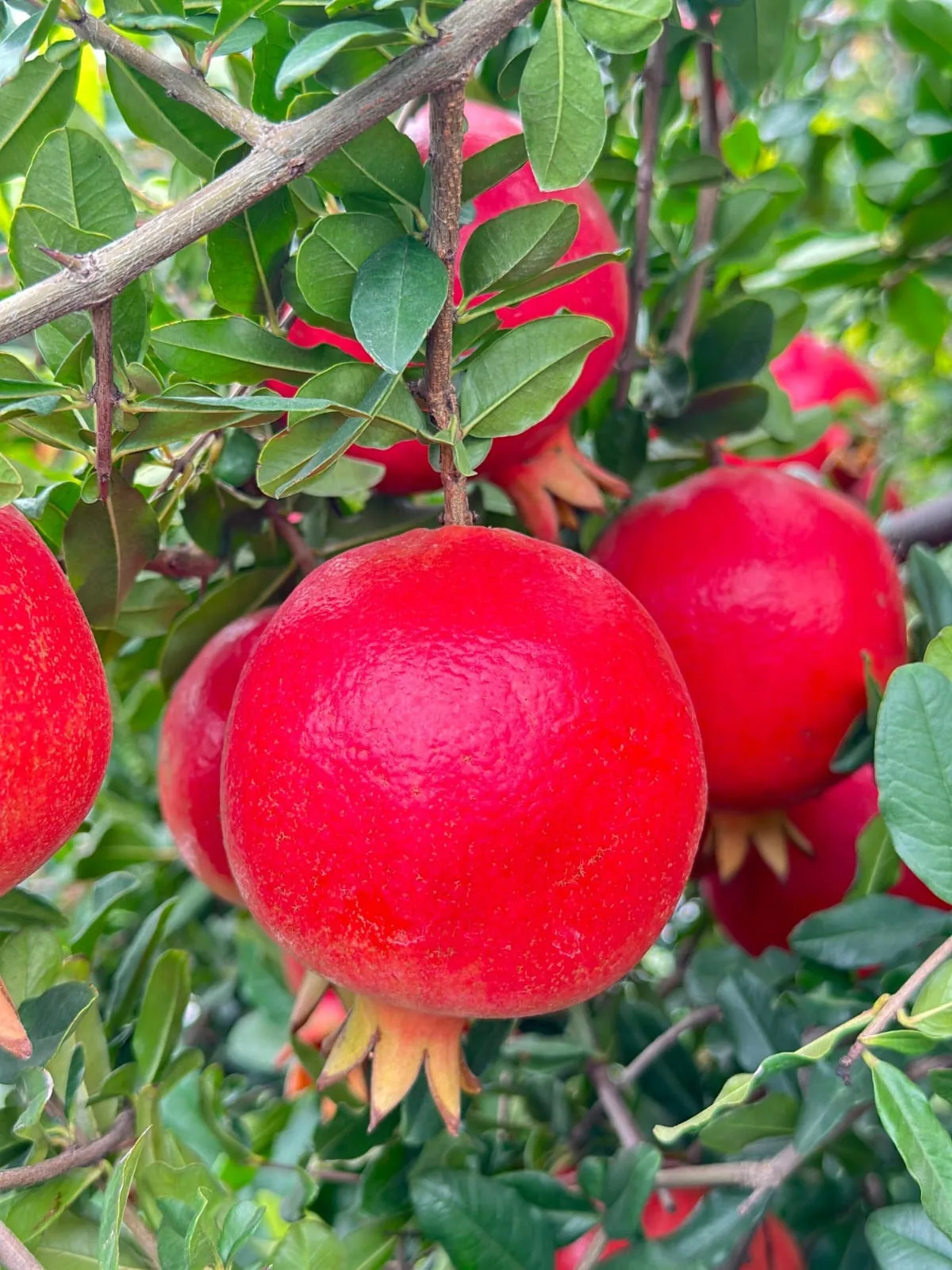
Pomegranate
Bahar treatment and canopy management set the whole year of return.
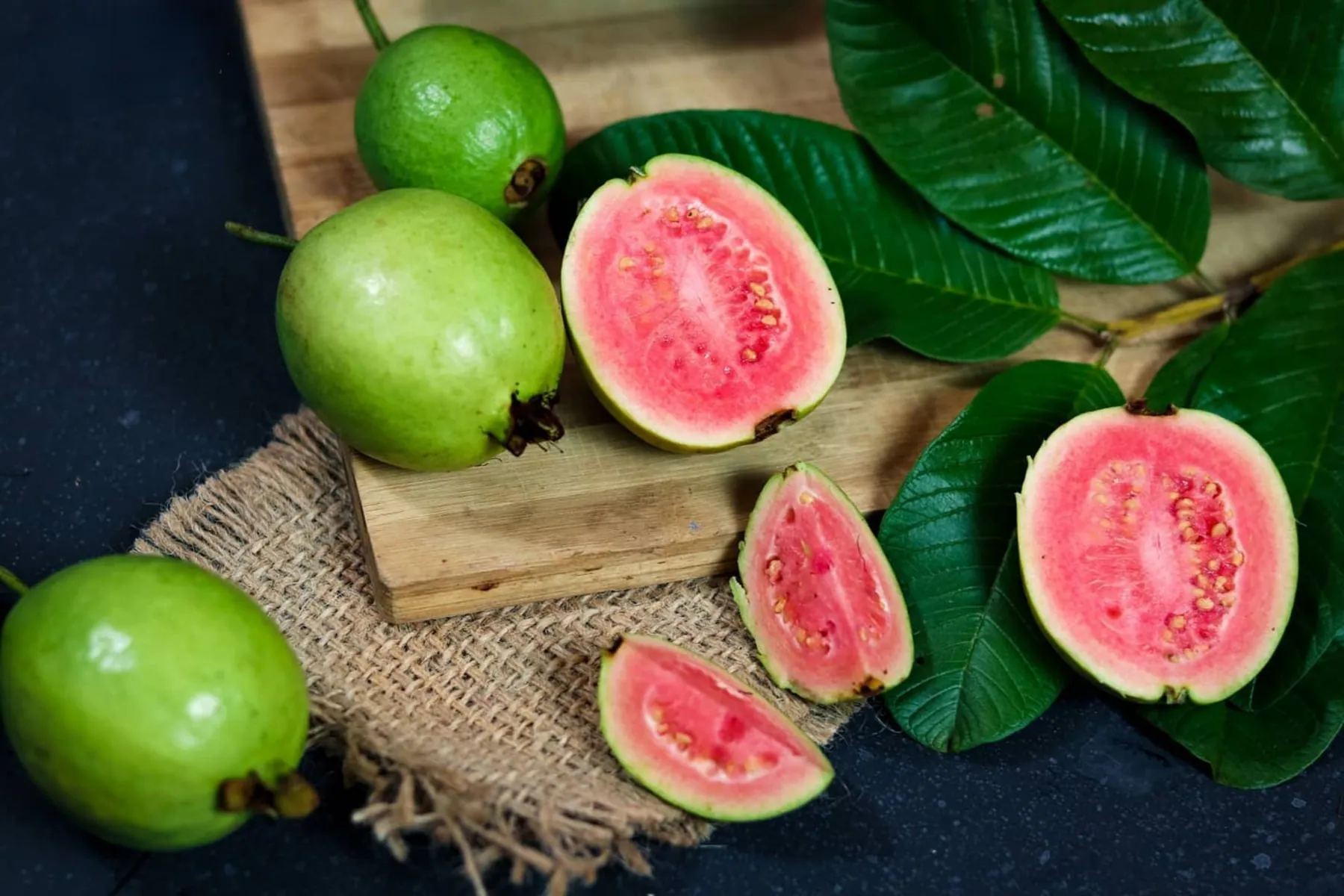
Guava
Pruning and crop regulation decide fruit size and grade.
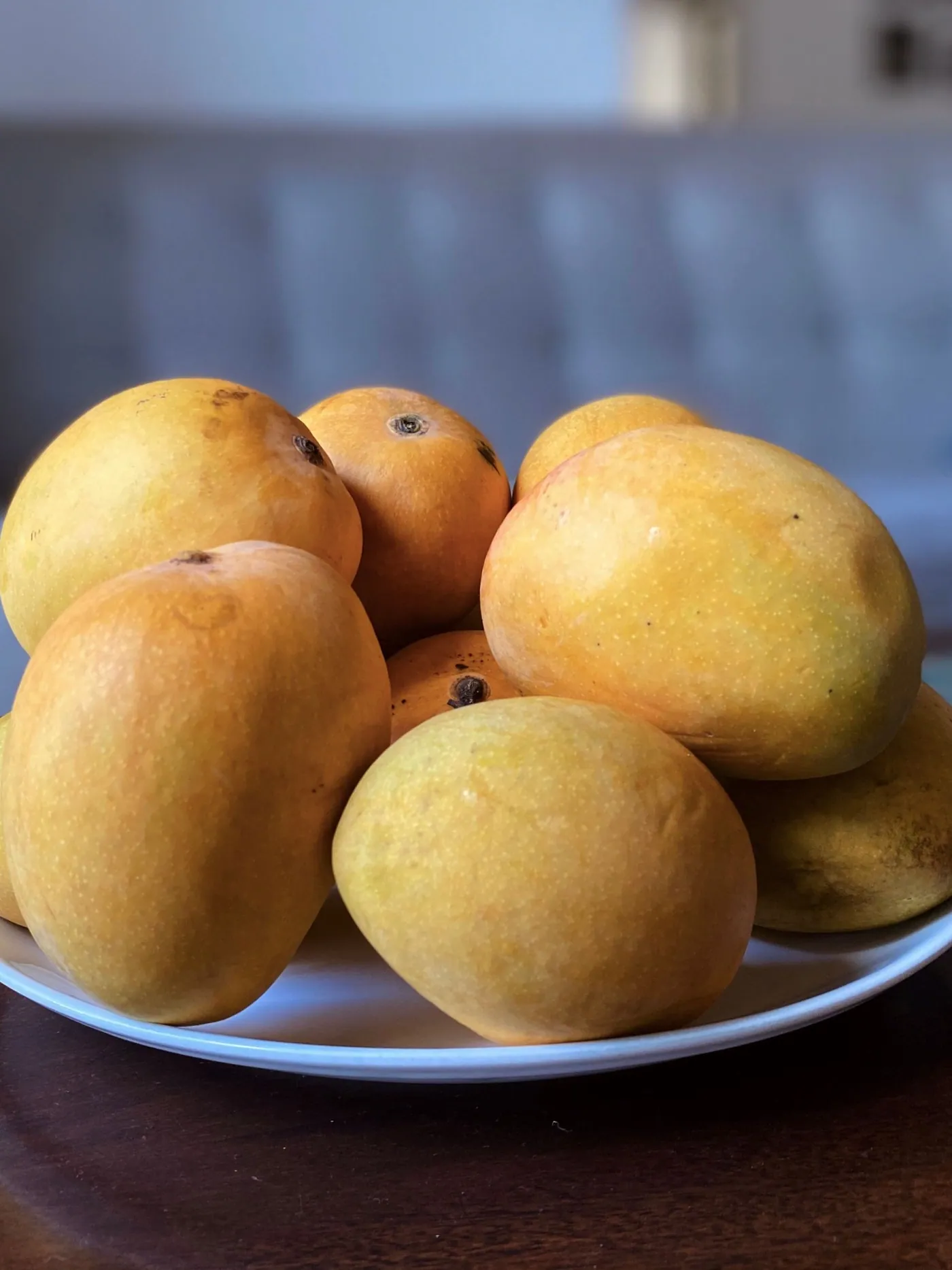
Mango
Flowering-stage nutrition and hopper control protect the set.
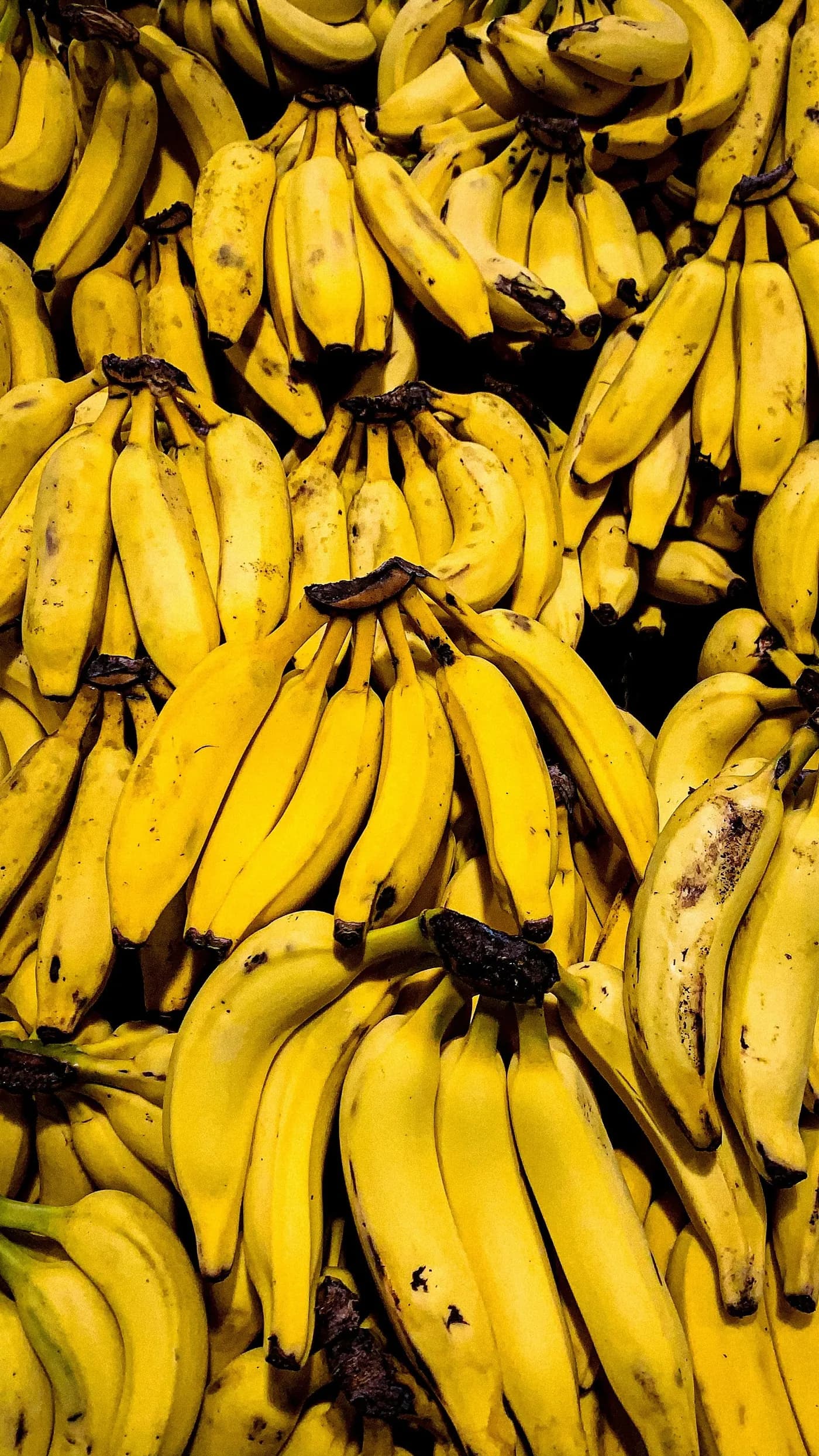
Banana
KelaTissue-culture suckers, drip fertigation and bunch cover carry the yield here.
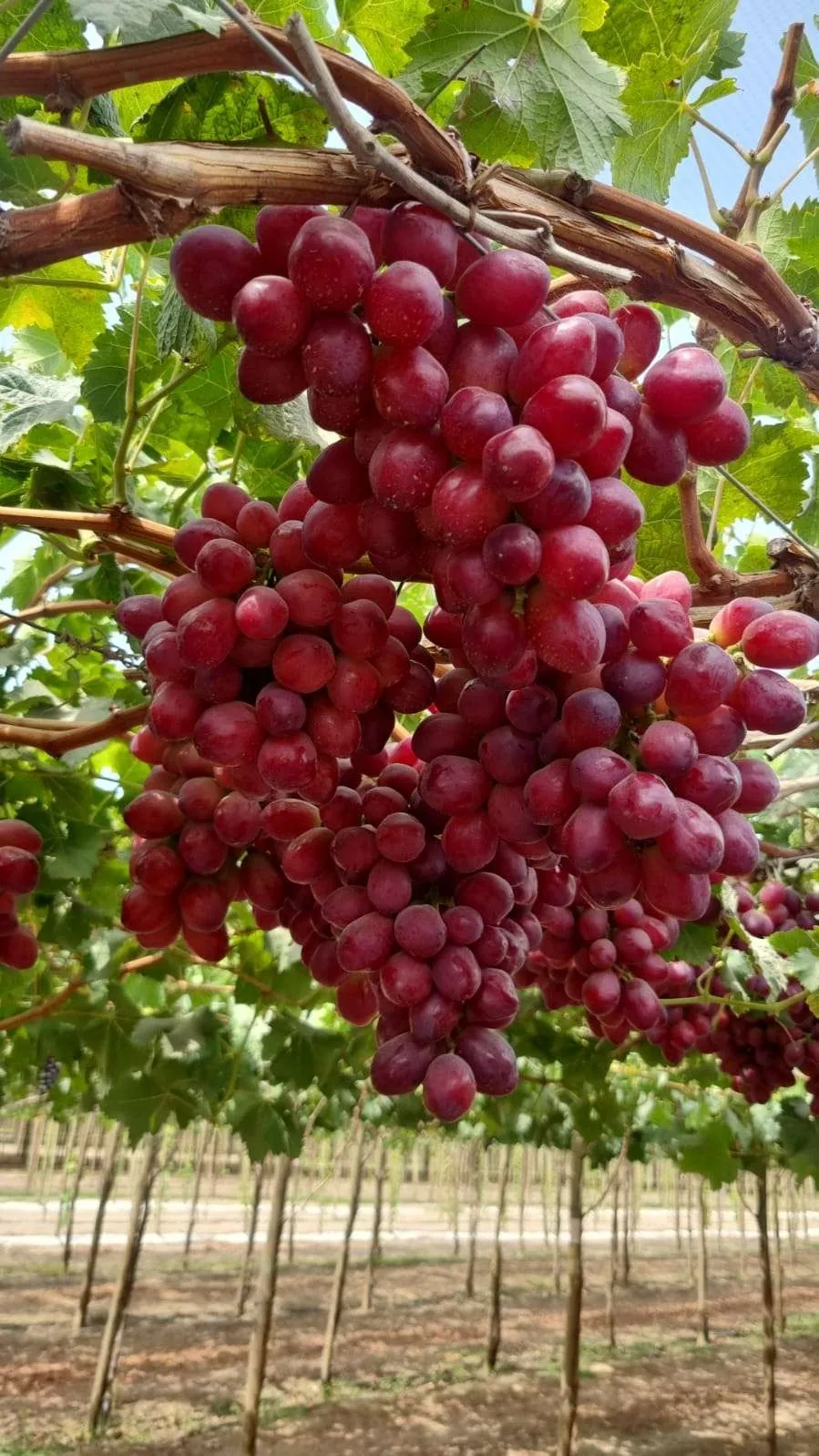
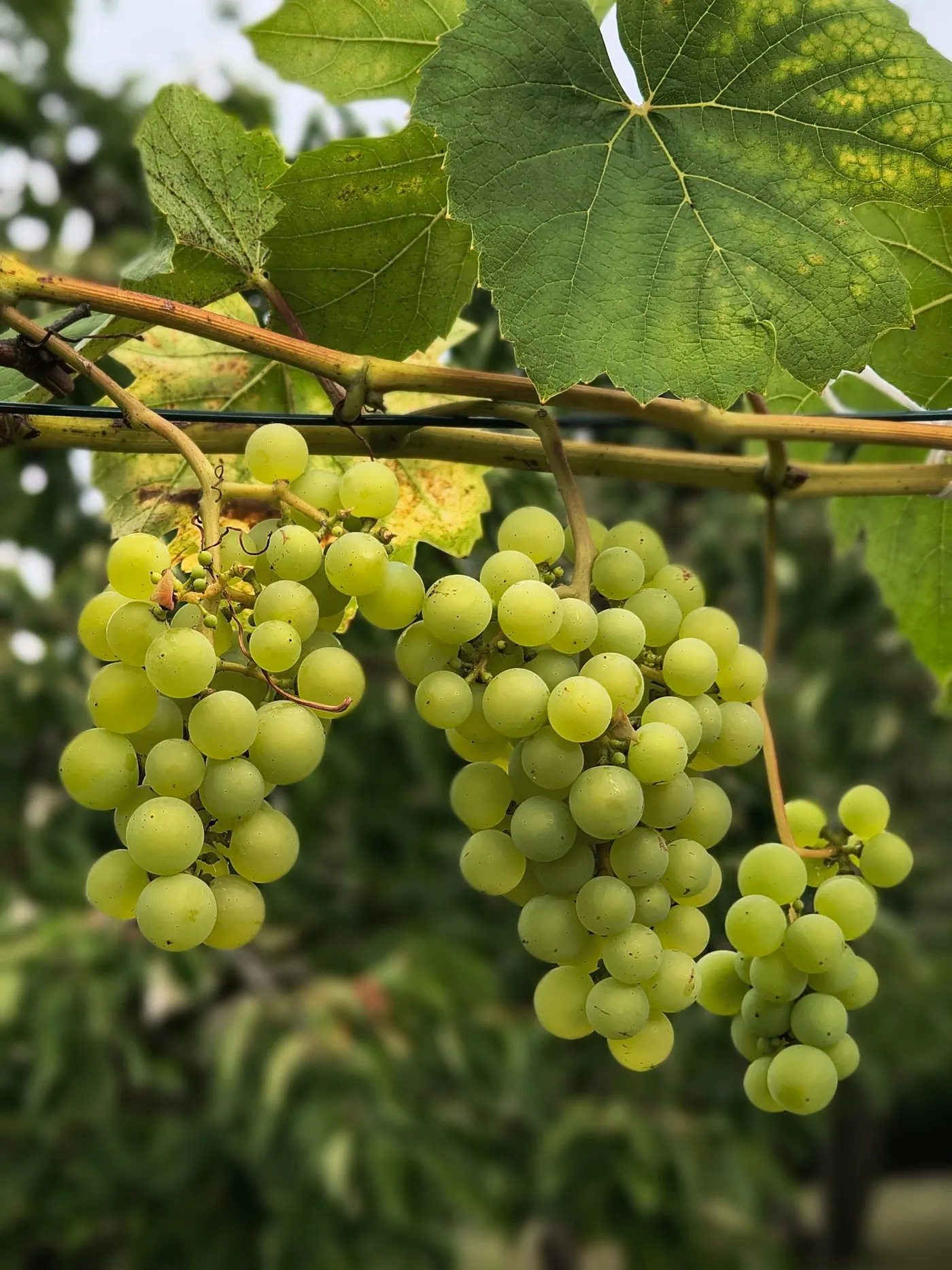
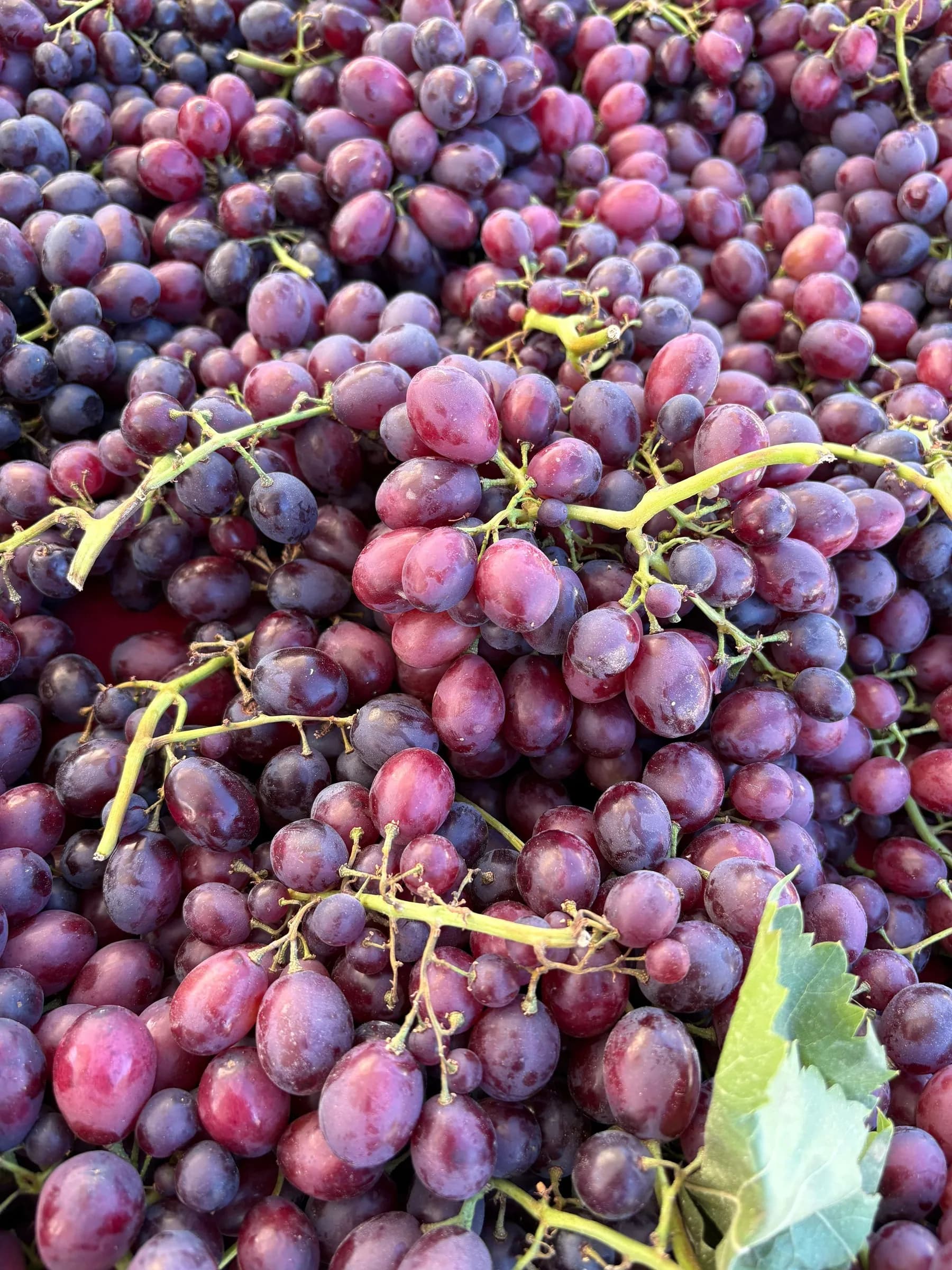
Grape
DrakshTwo prunings a year set the crop; residue limits set the buyer.
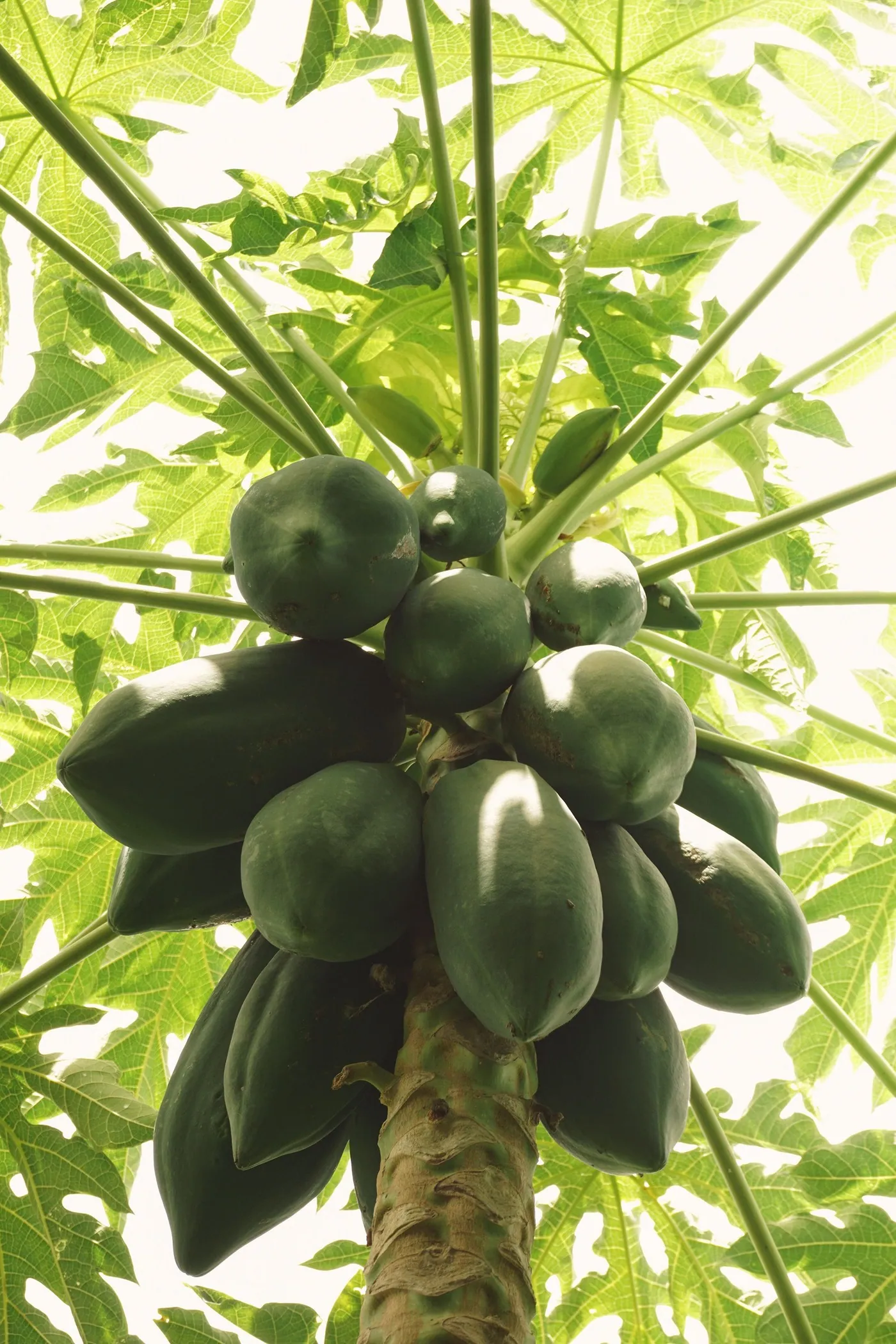
Papaya
PapaiRing spot virus and drainage decide the orchard's life more than the variety does.
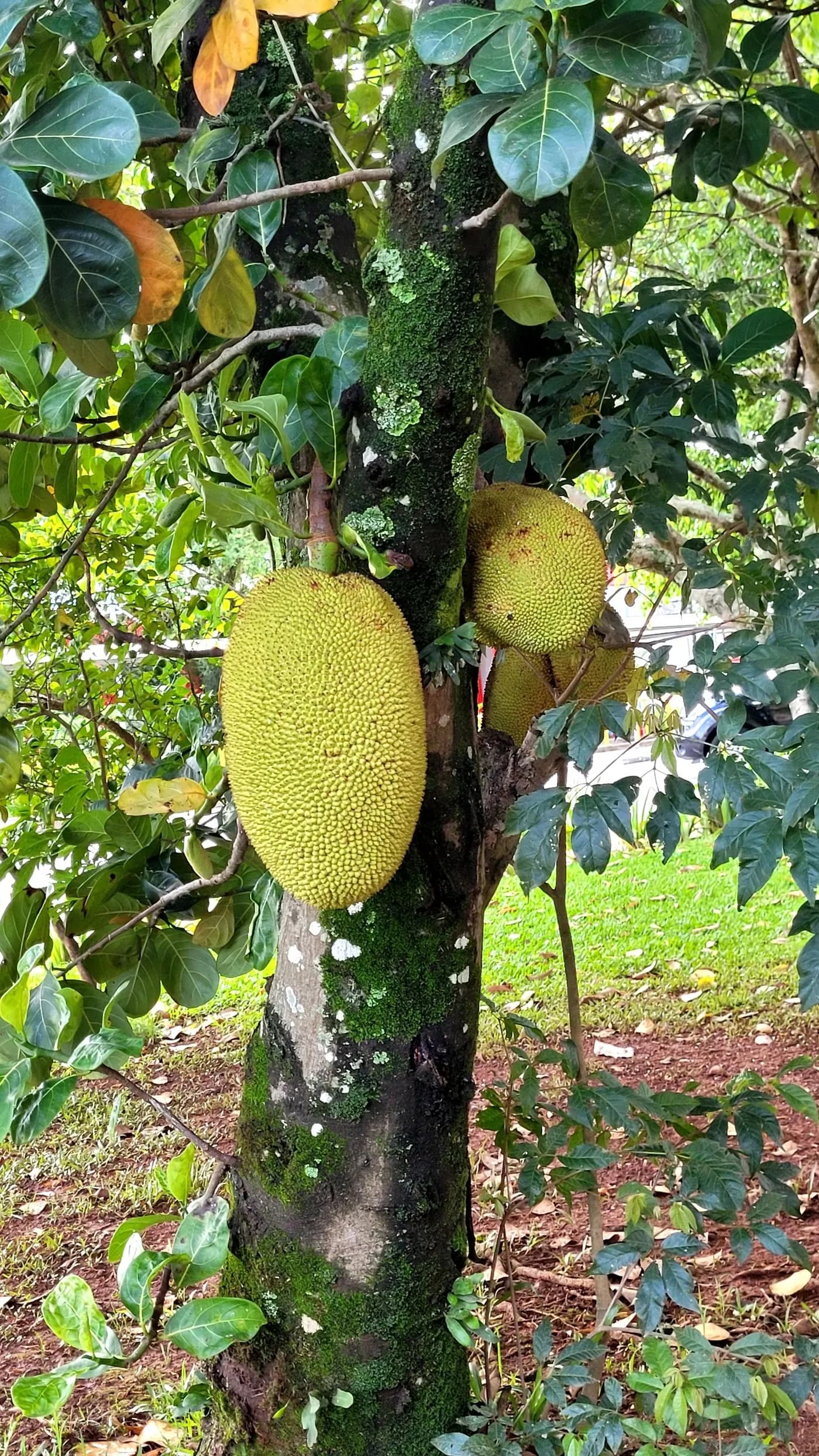
Jackfruit
A long-horizon orchard crop that rewards early spacing decisions.
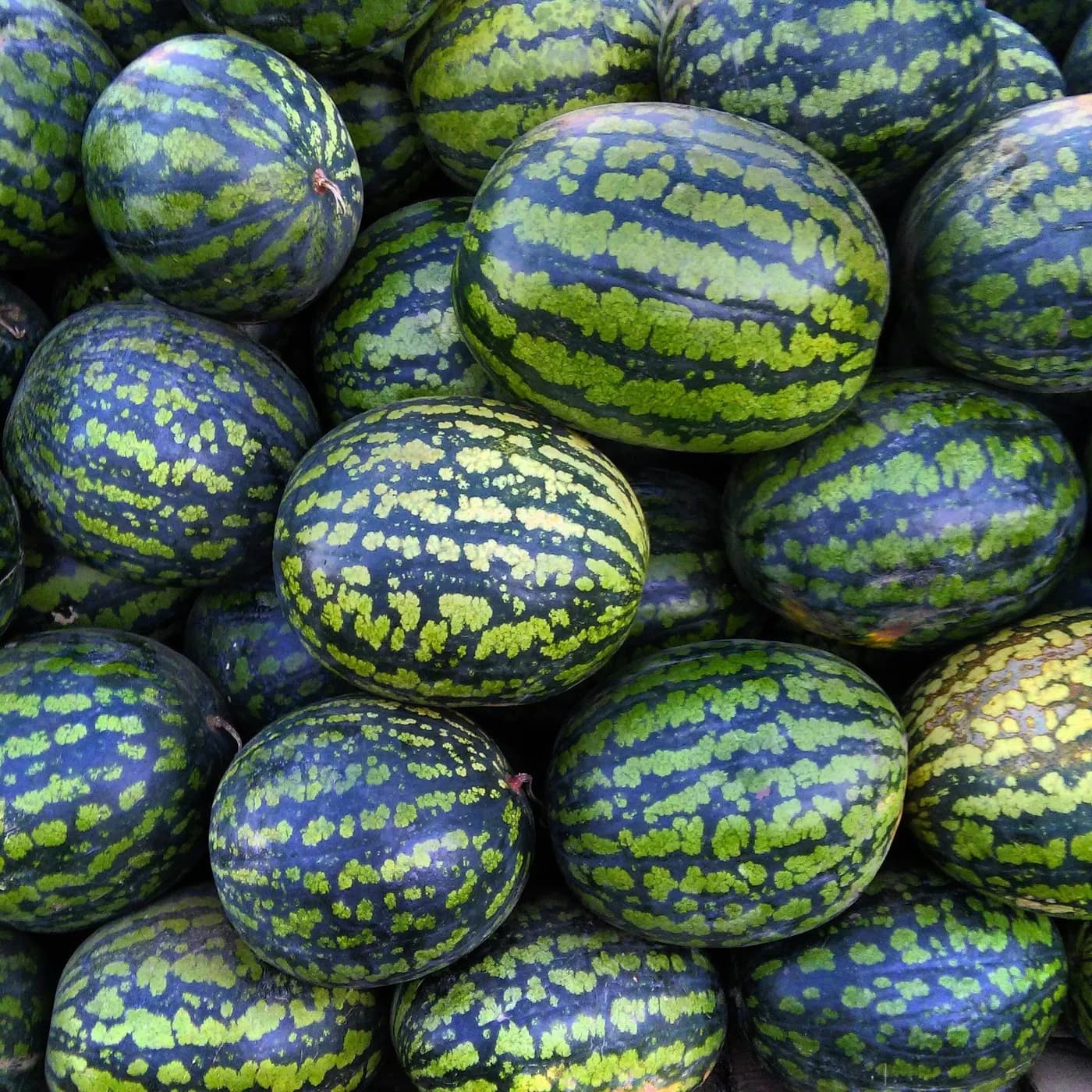
Watermelon
KalingadMulch, drip and a tight pollination window decide both size and sugar.
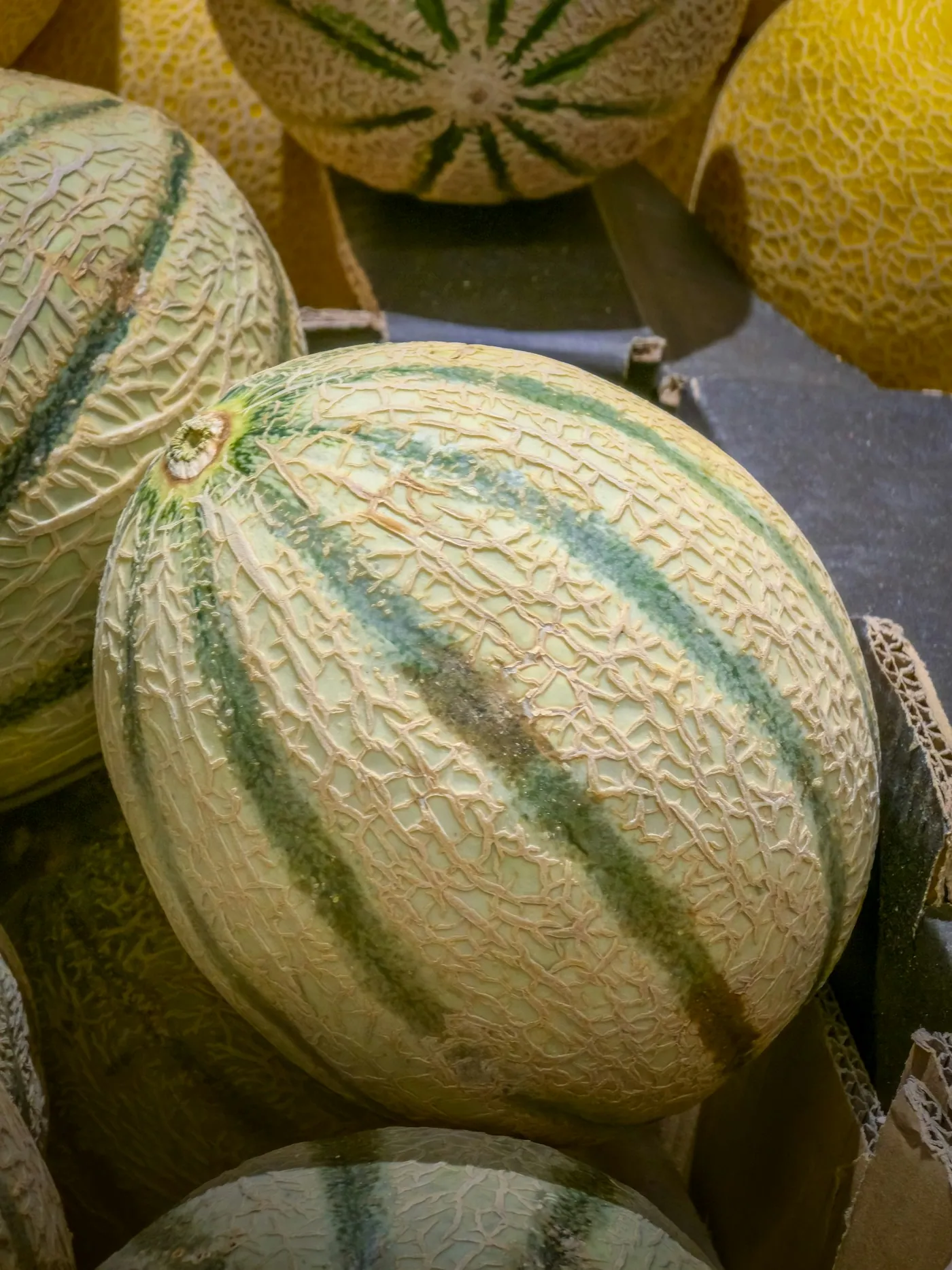
Muskmelon
KharbujSugar builds in the last ten days, so water is cut before harvest, not after.
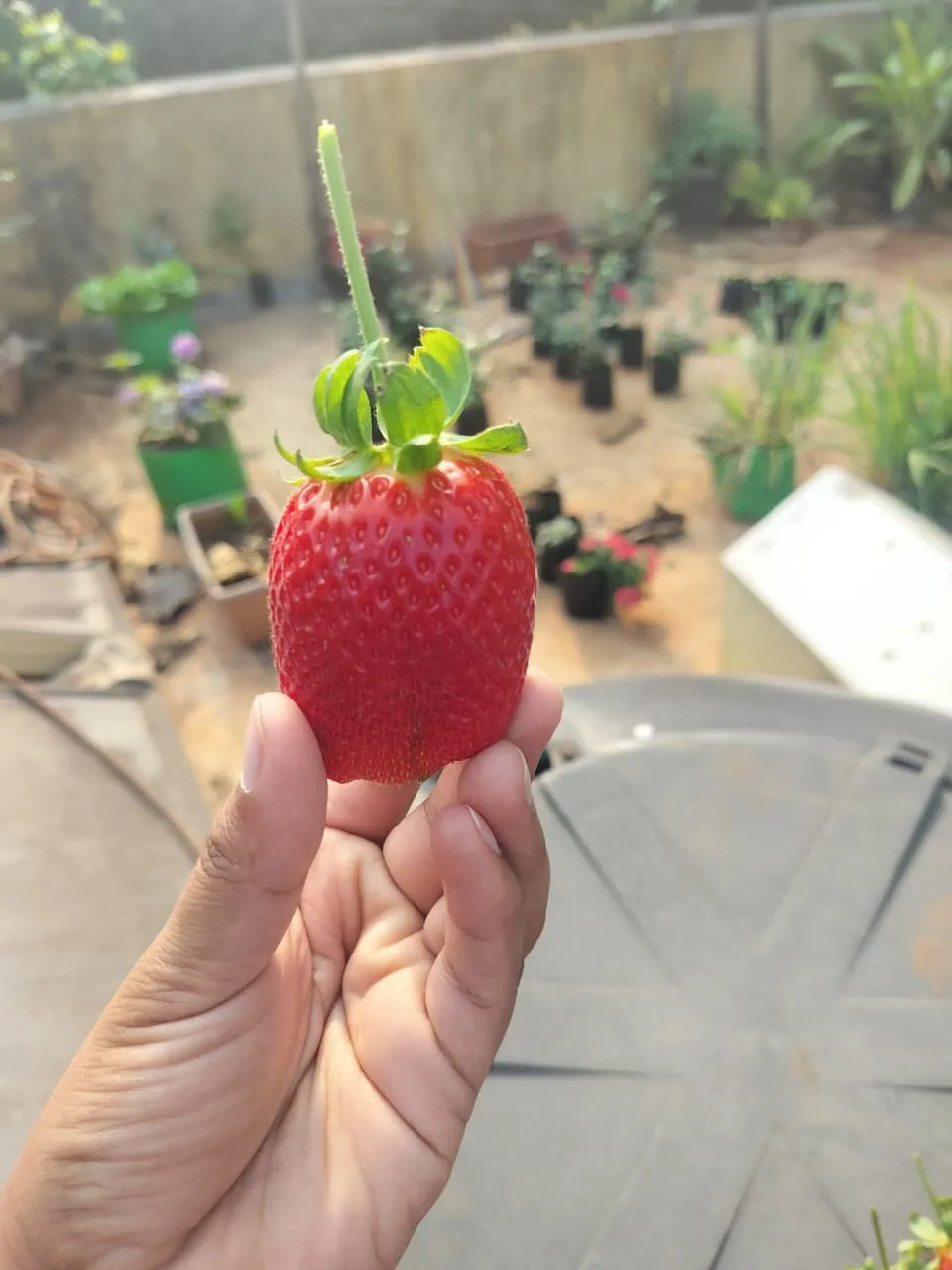
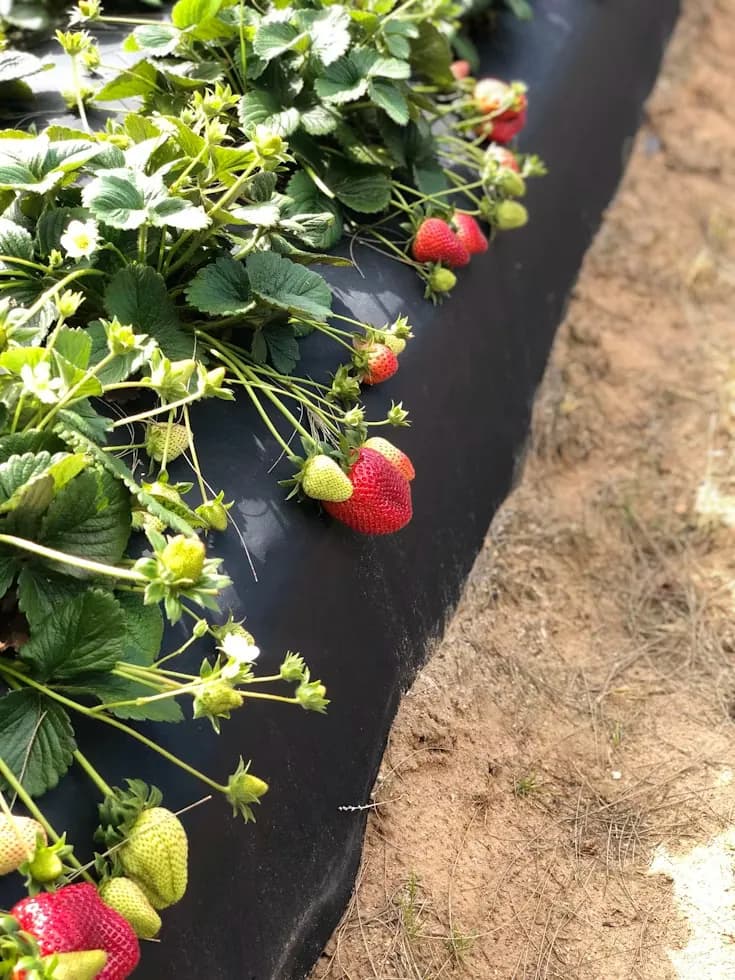
Strawberry
Runner quality and a cool planting window decide whether the season pays.
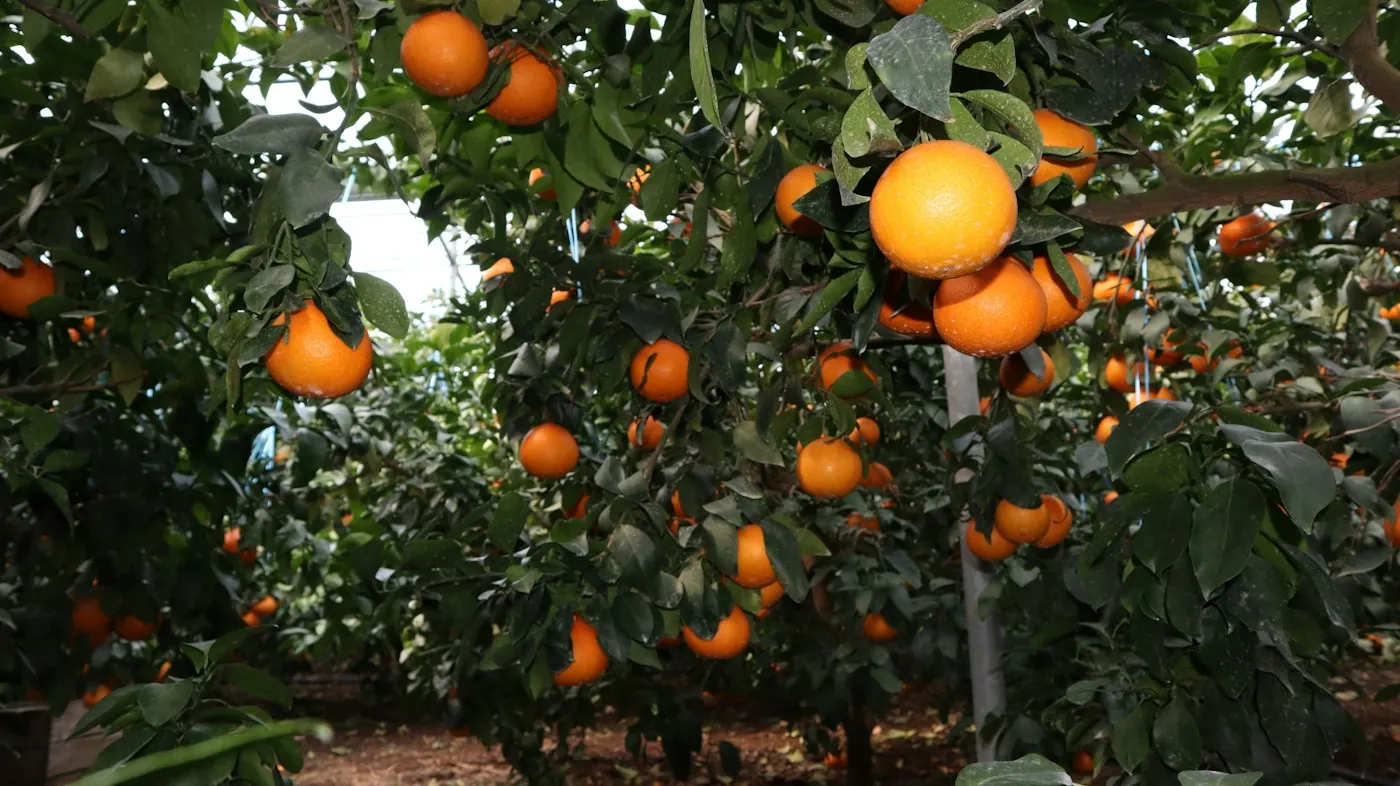
Orange
SantraBahar treatment sets the flowering; canopy work and psylla control are what keep it.
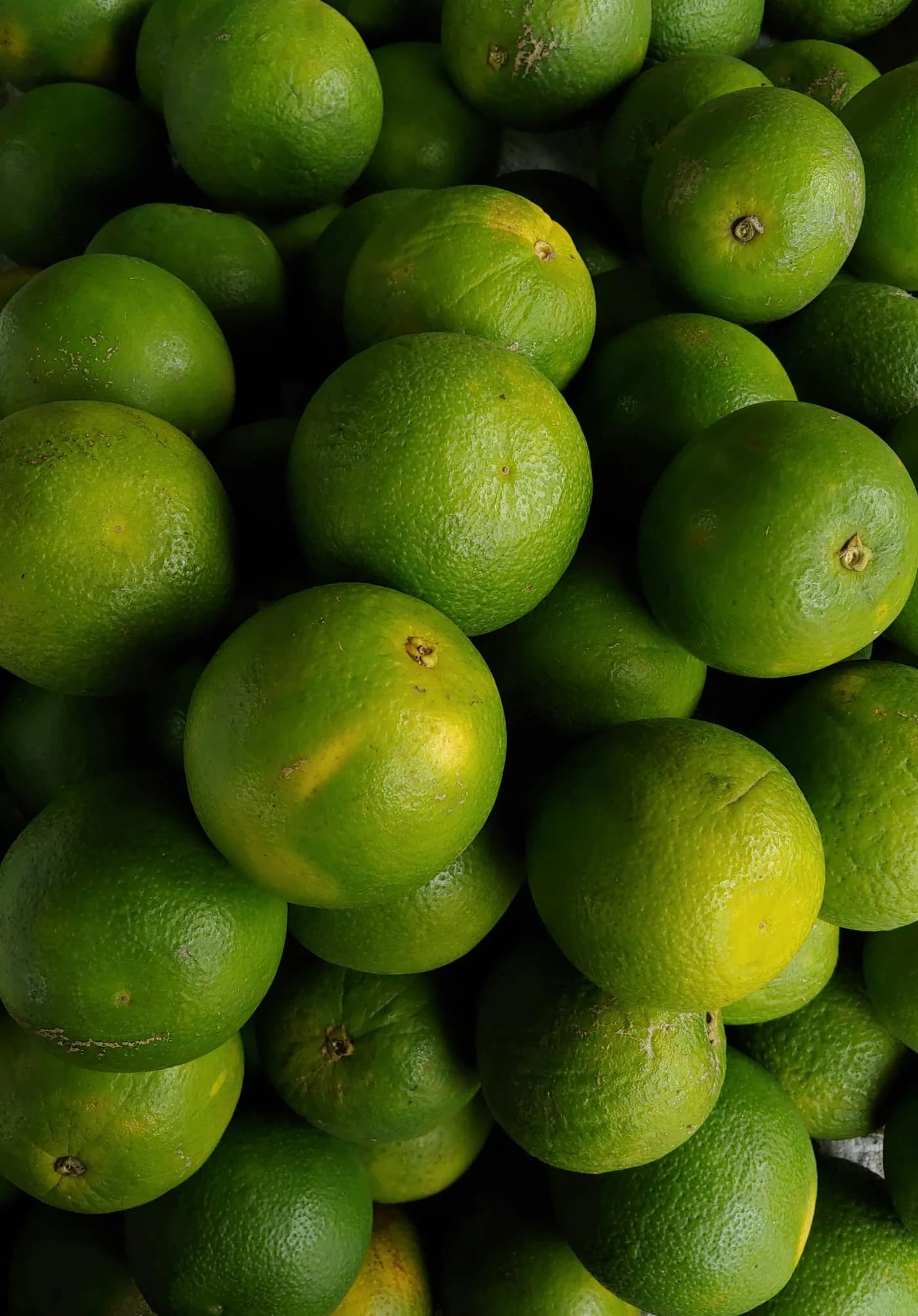
Sweet Lime
MosambiHasta bahar suits most of the state; drainage decides the rest.
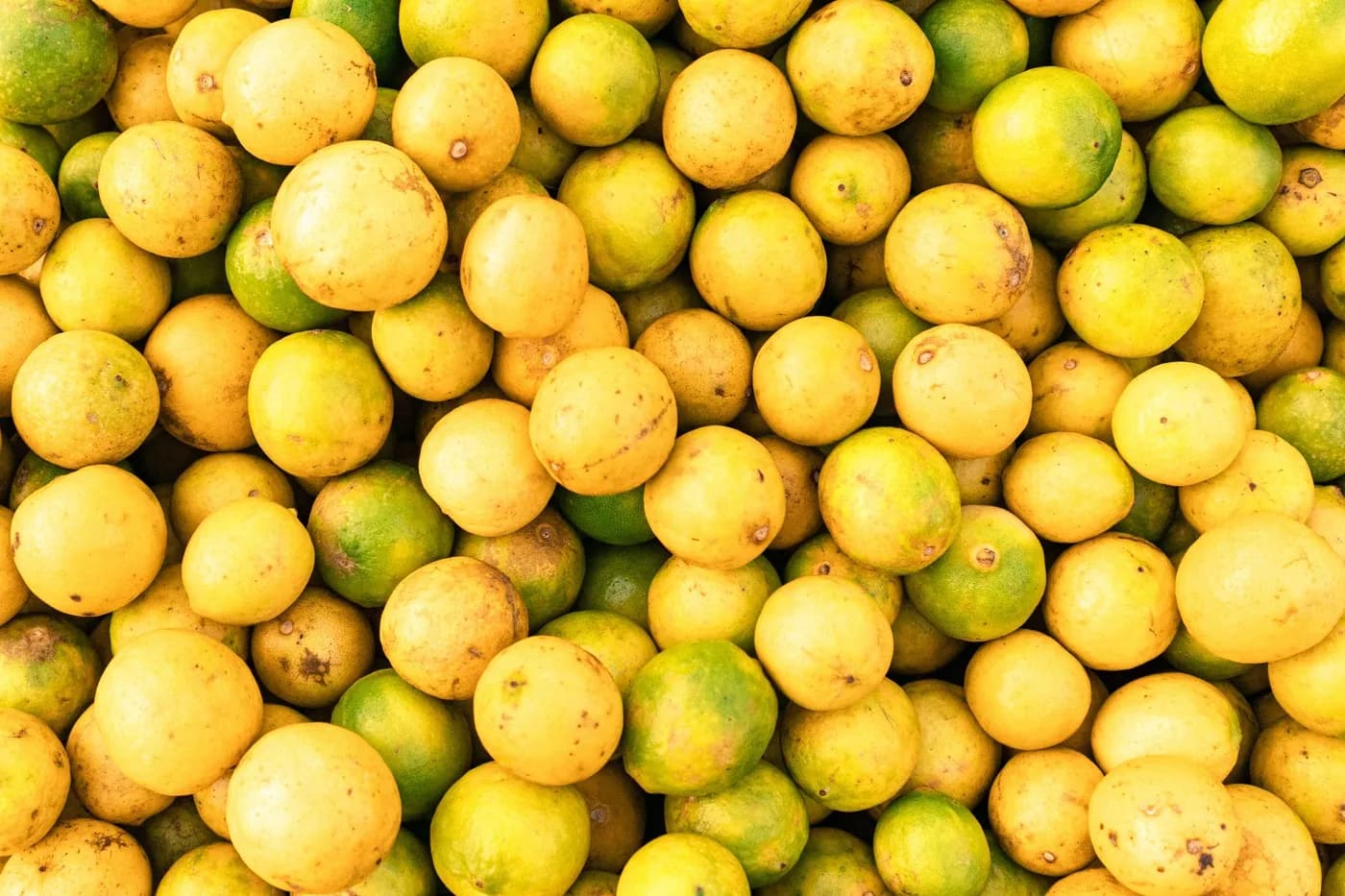
Lemon
LimbuThe off-season flush is what pays, so bahar timing is the whole plan.
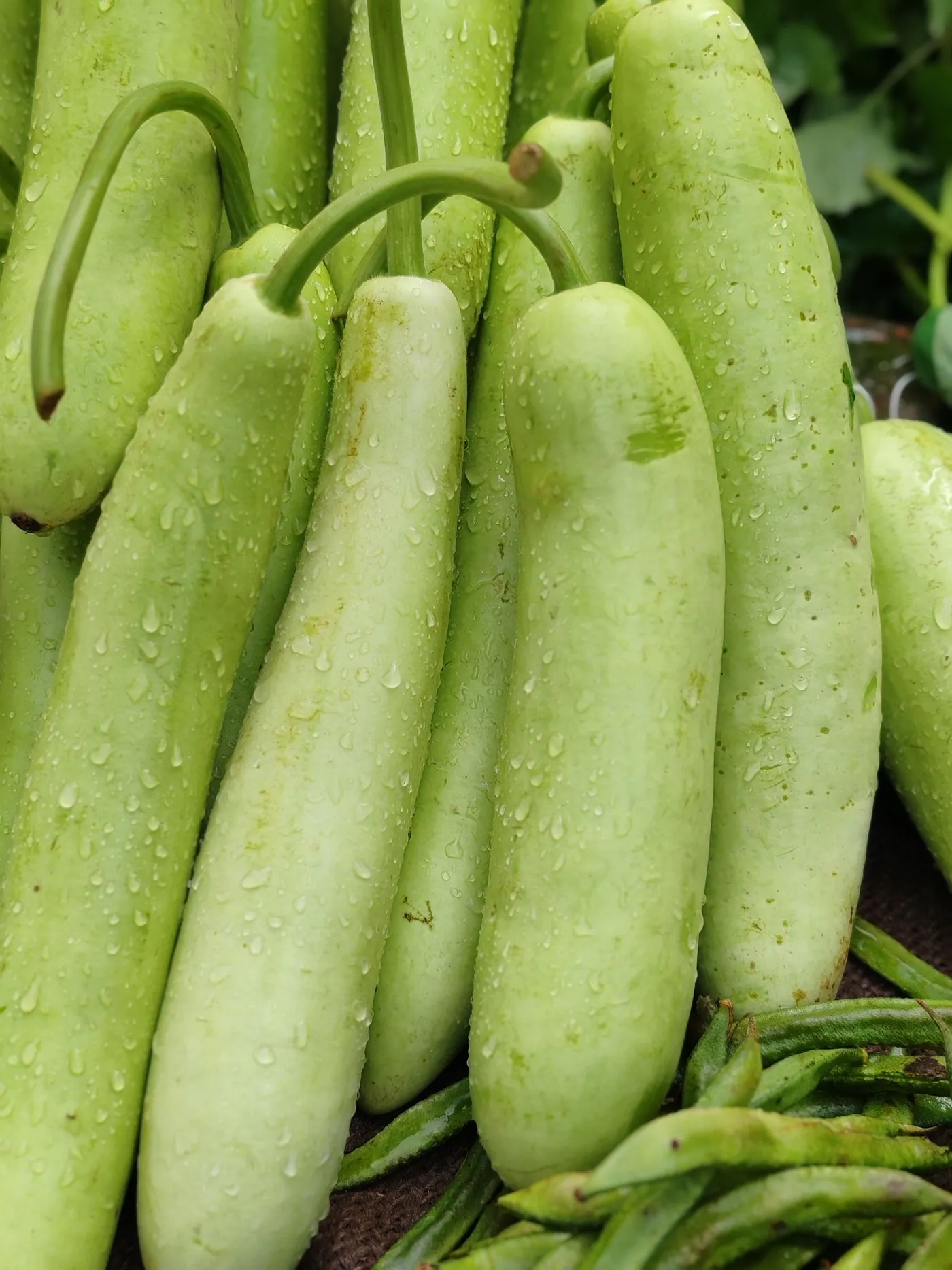
Bottle Gourd
LaukiTrellis layout and fruit fly management drive marketable yield.
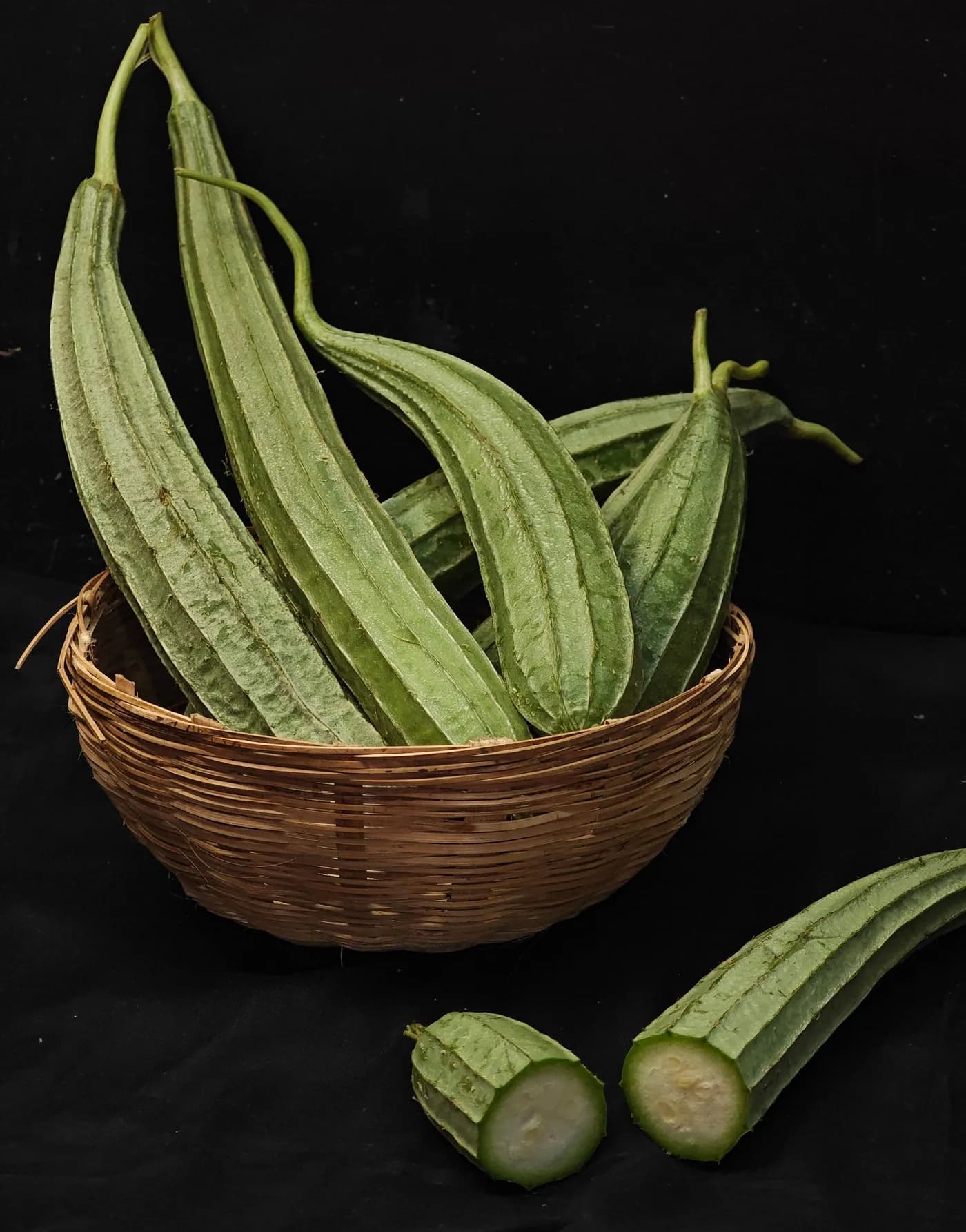
Ridge Gourd
TuraiBitter, snake and round gourd follow the same trellis and IPM programme.
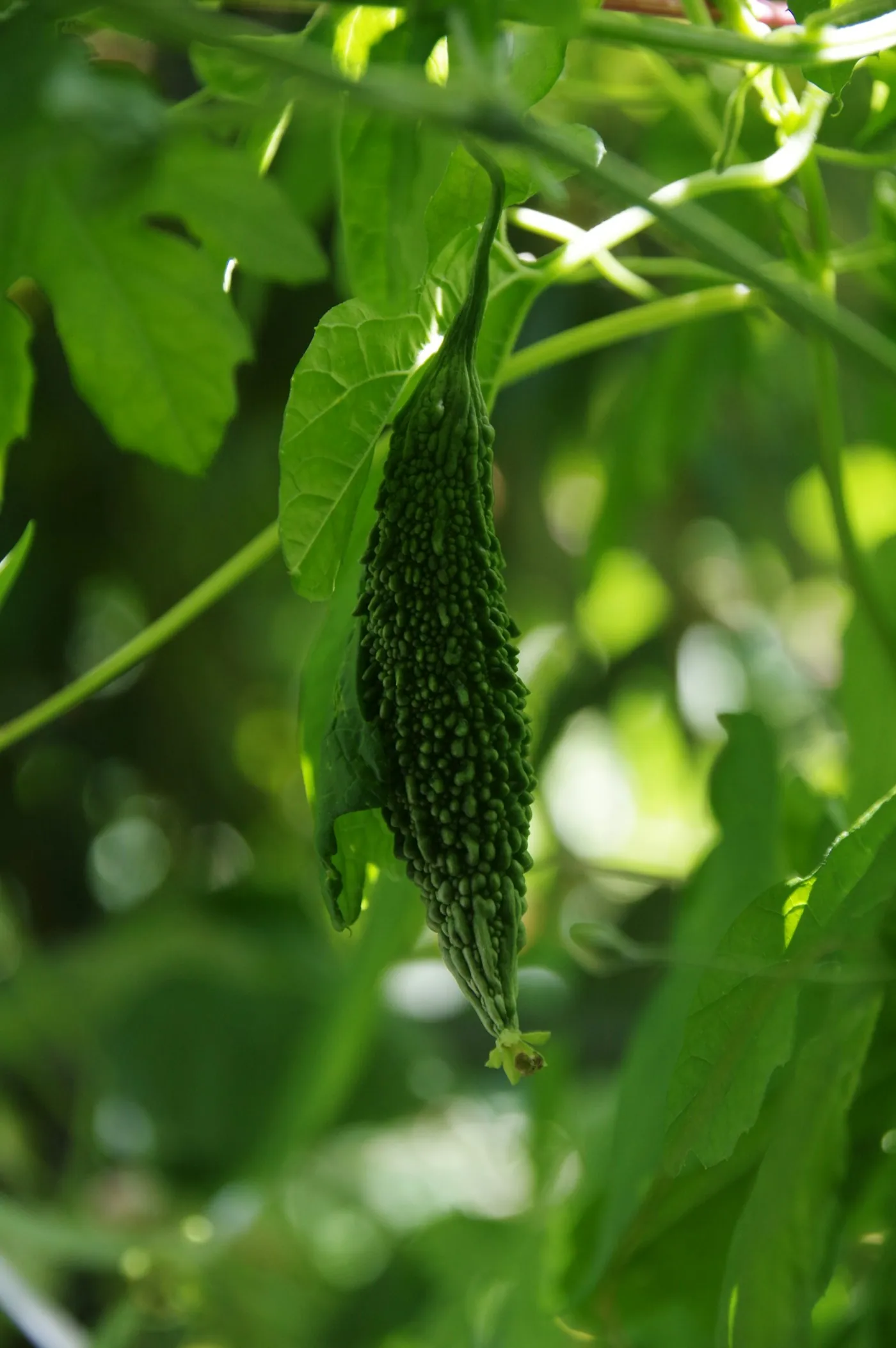
Bitter Gourd
KarelaTrellised and netted; fruit fly is trapped, not sprayed after the fact.

Pumpkin
BhoplaKeeps for weeks after harvest, which makes it a hedge against a soft market.
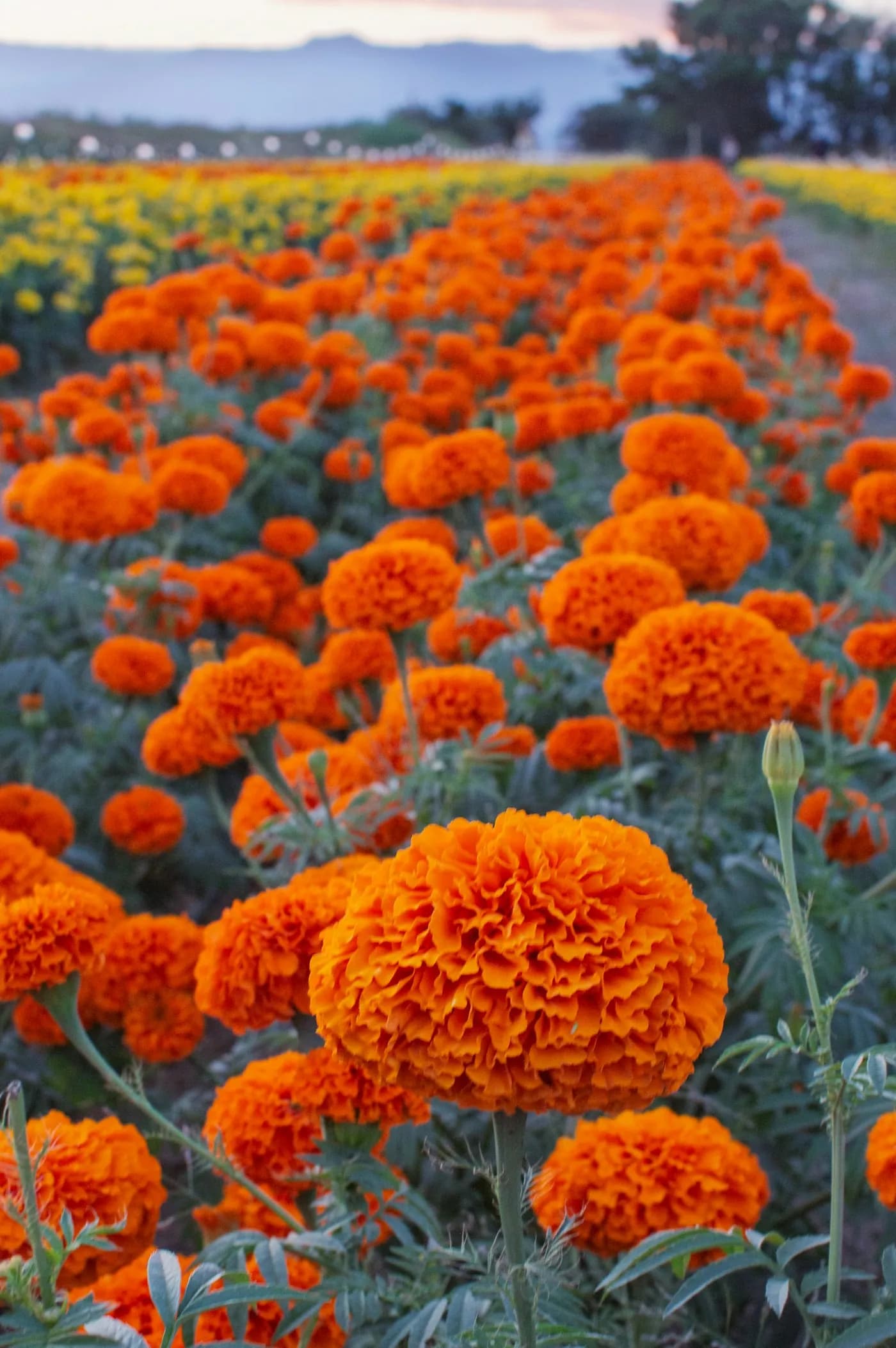
Marigold
Grown for market and planted as a trap crop inside vegetable IPM.
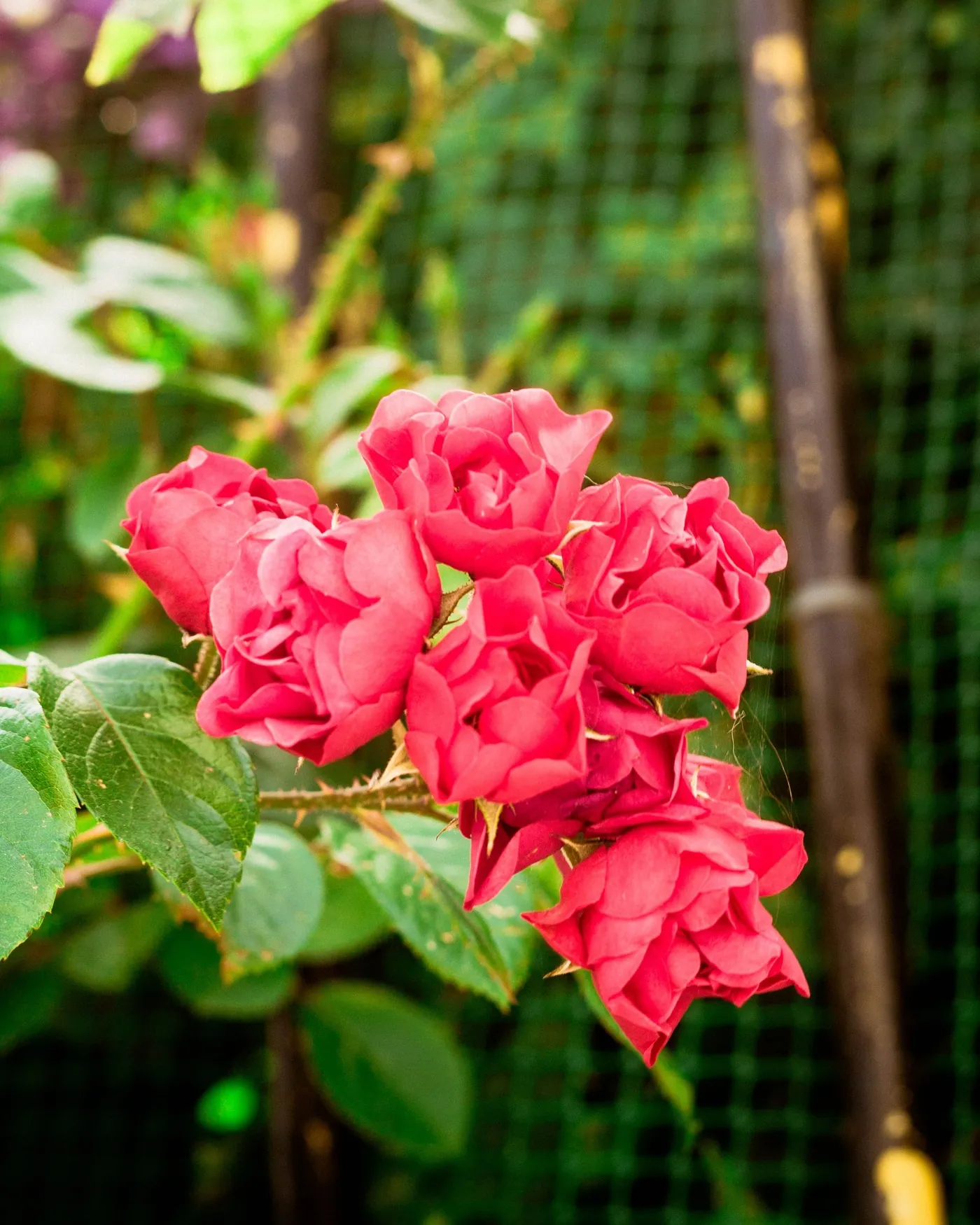
Rose
GulabGrown under cover for stem length; the grade is set by the bud, not the open bloom.

Jasmine
MograPicked before dawn and sold the same morning — the chain has to be arranged first.
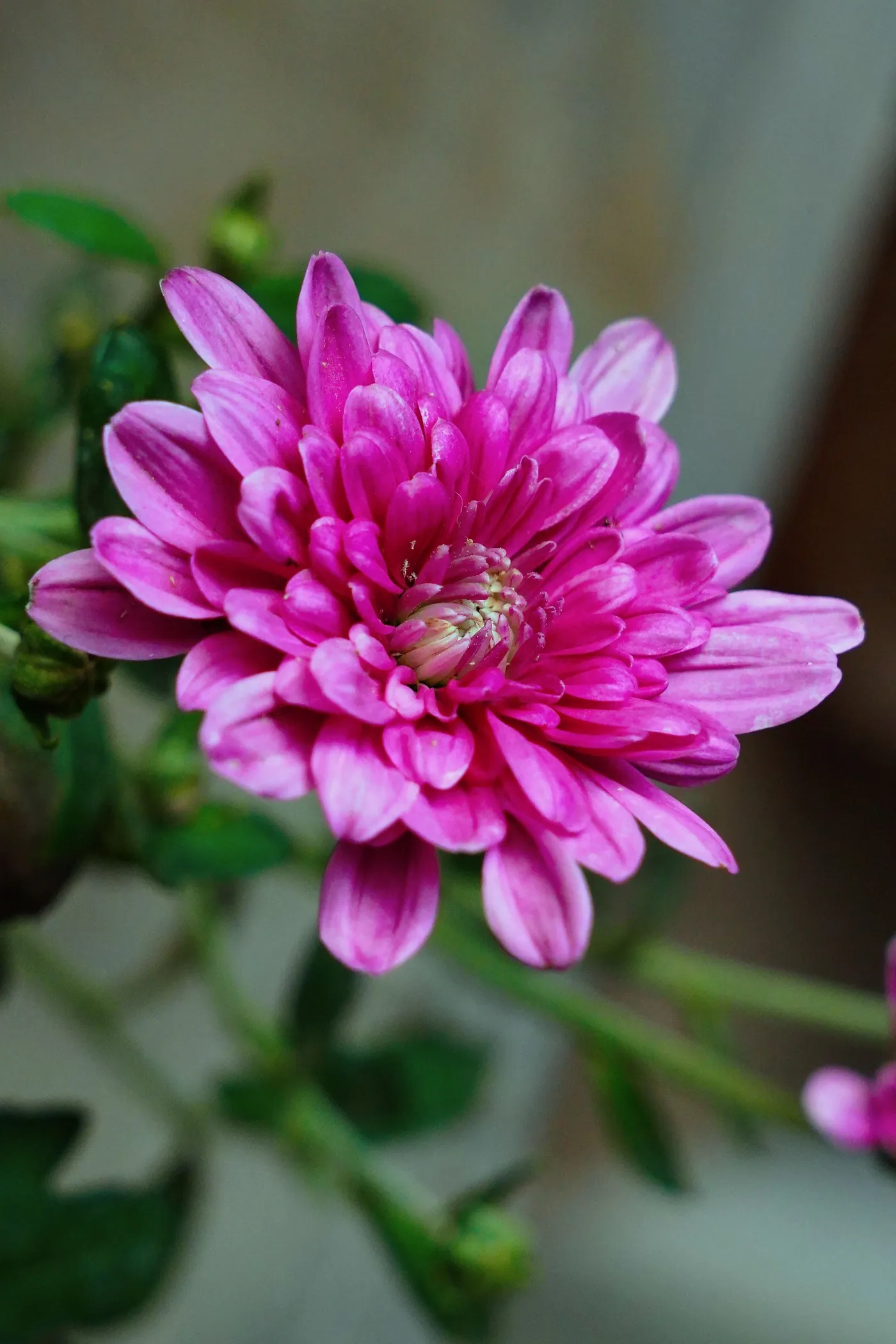
Chrysanthemum
ShevantiA short-day crop, so planting is counted backwards from the festival it is meant for.
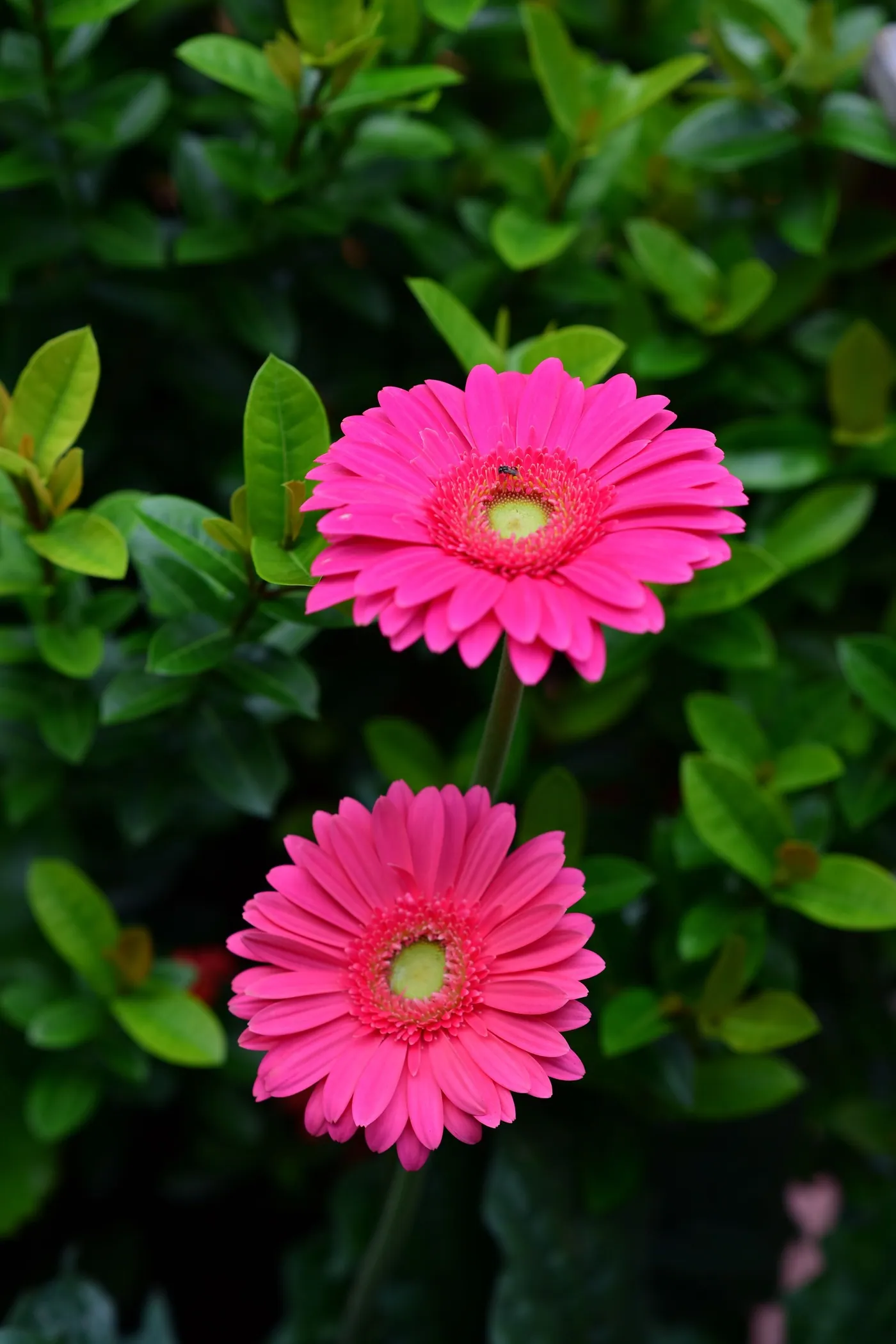
Gerbera
A polyhouse cut flower graded on stem length and a clean bloom, so humidity and root rot are managed daily.
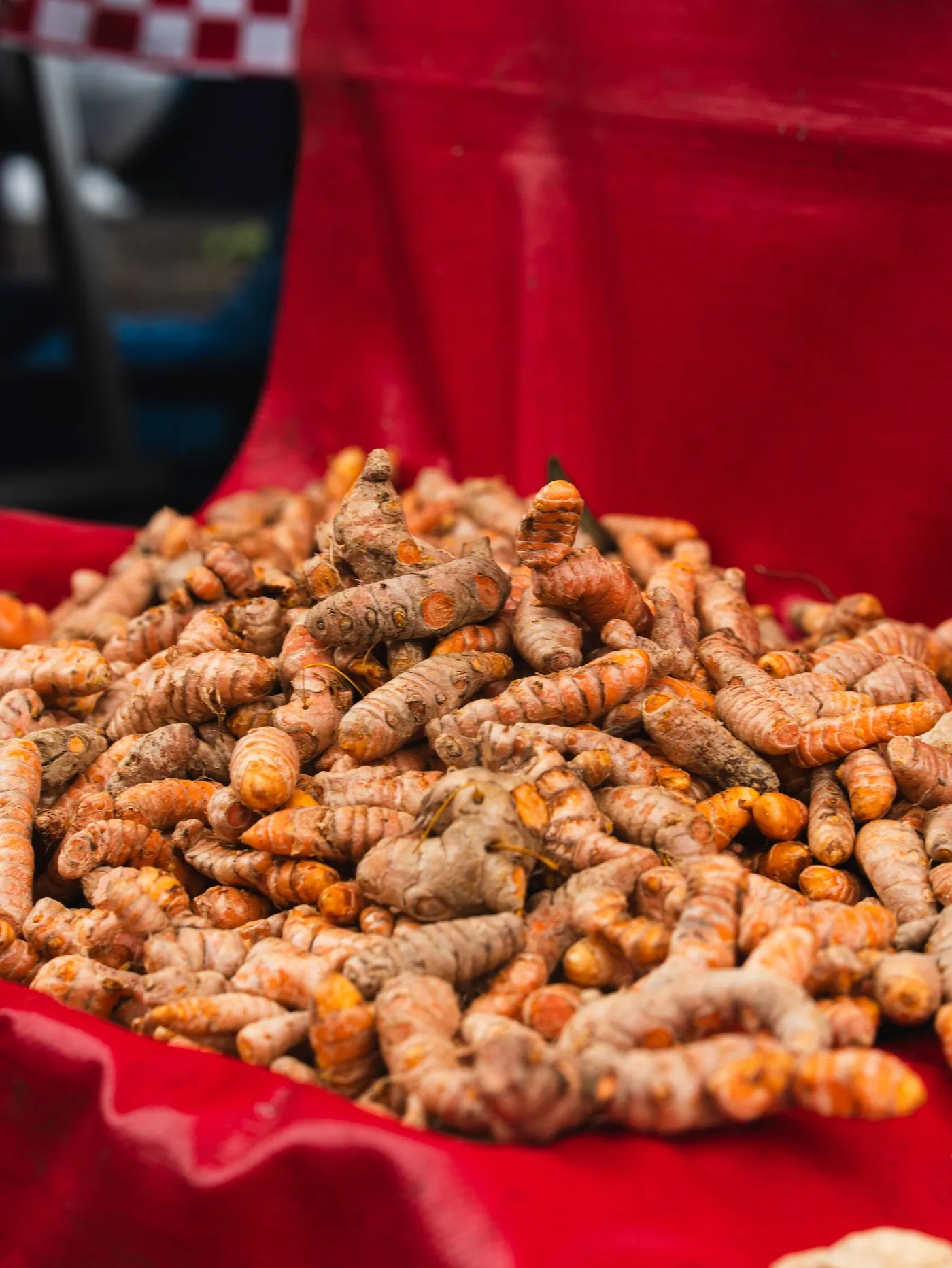
Turmeric
HaladNine months in the ground, so seed rhizome health decides most of the return.
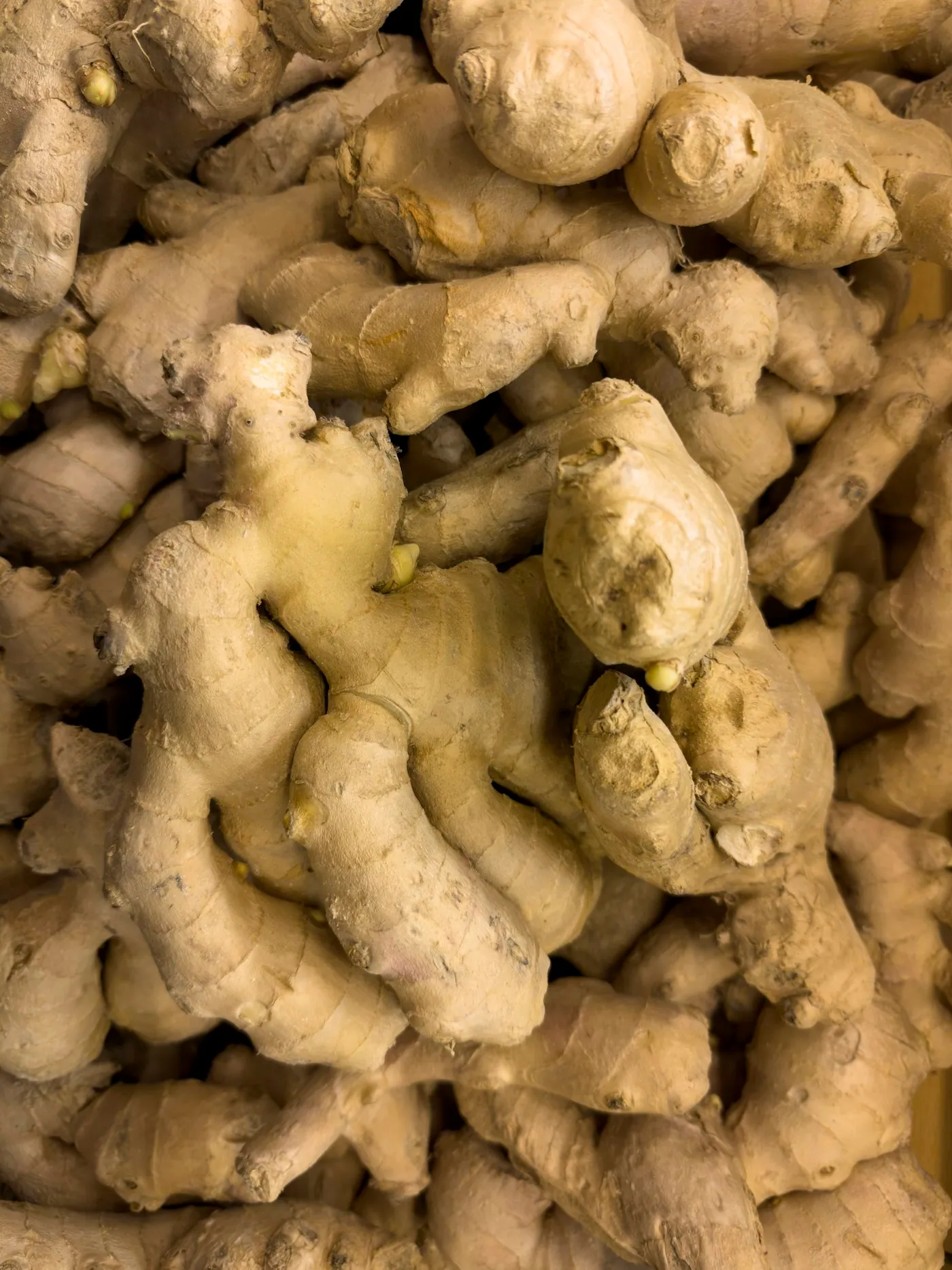
Ginger
AaleRaised beds and rhizome rot decide the crop; seed treatment is not optional.
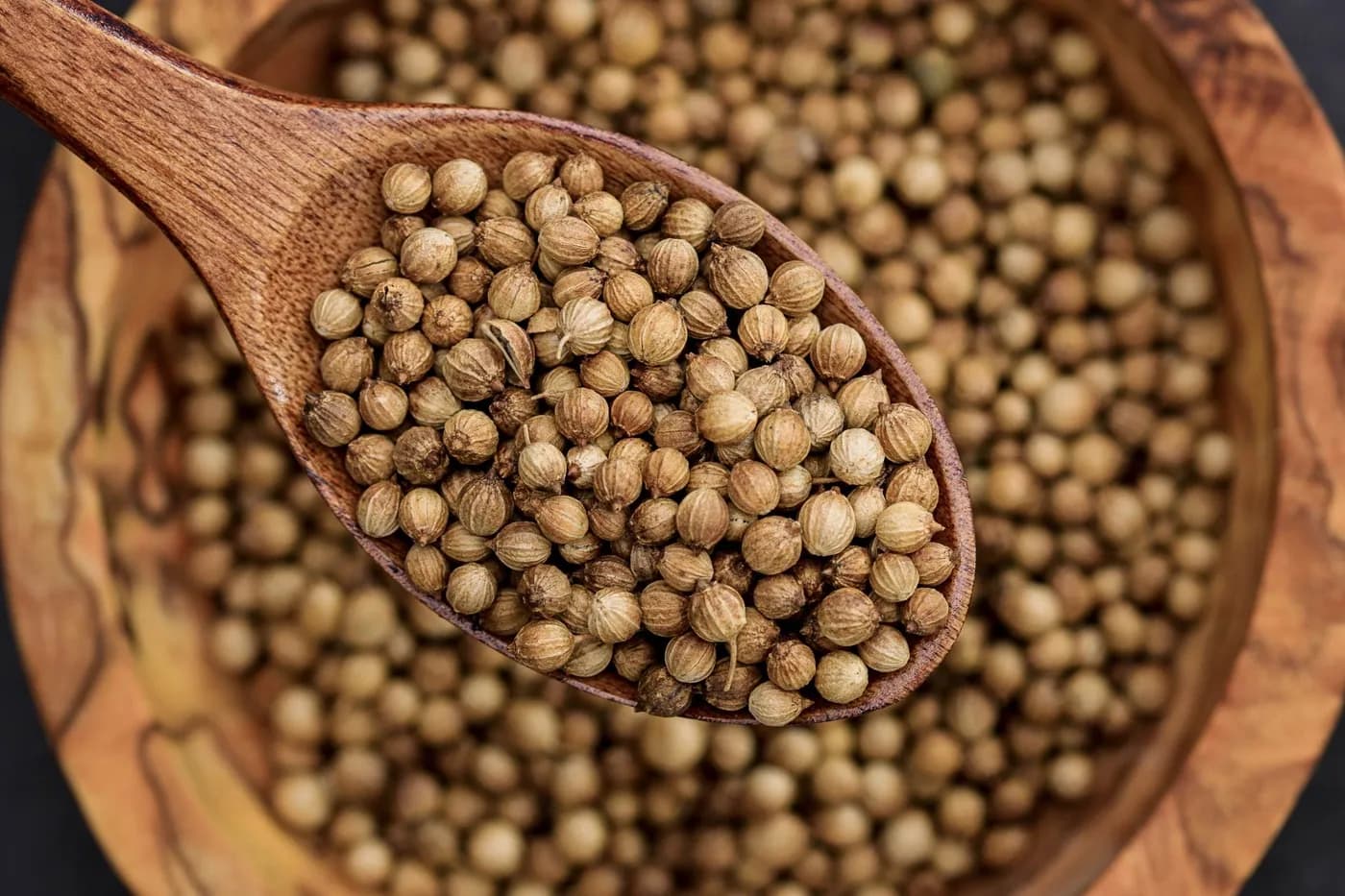
Coriander
KothimbirSown thick for leaf and thin for seed — a decision made before the first irrigation.
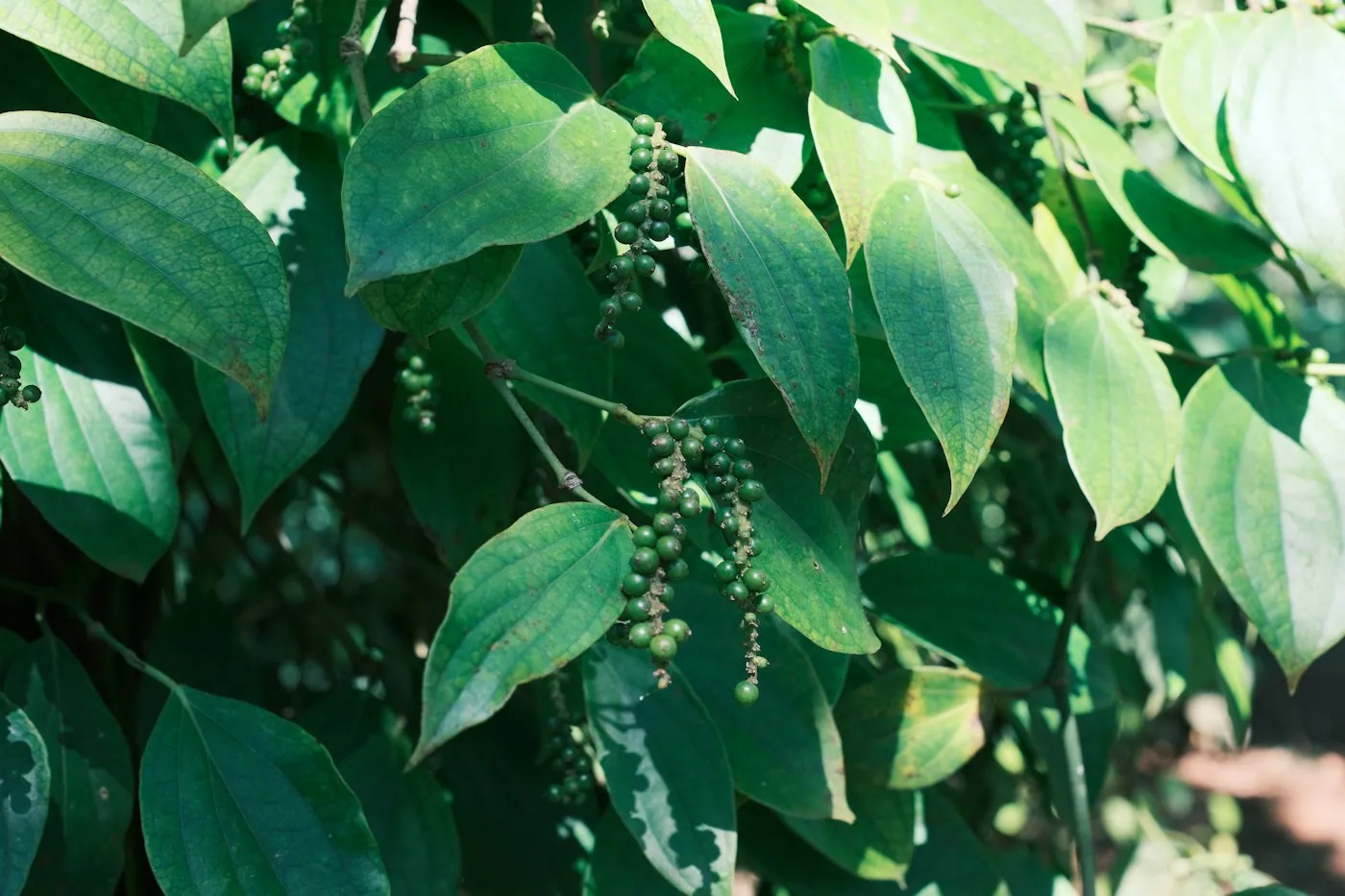
Black Pepper
Kali MirchTrained on live standards under shade; drainage matters more than rainfall.
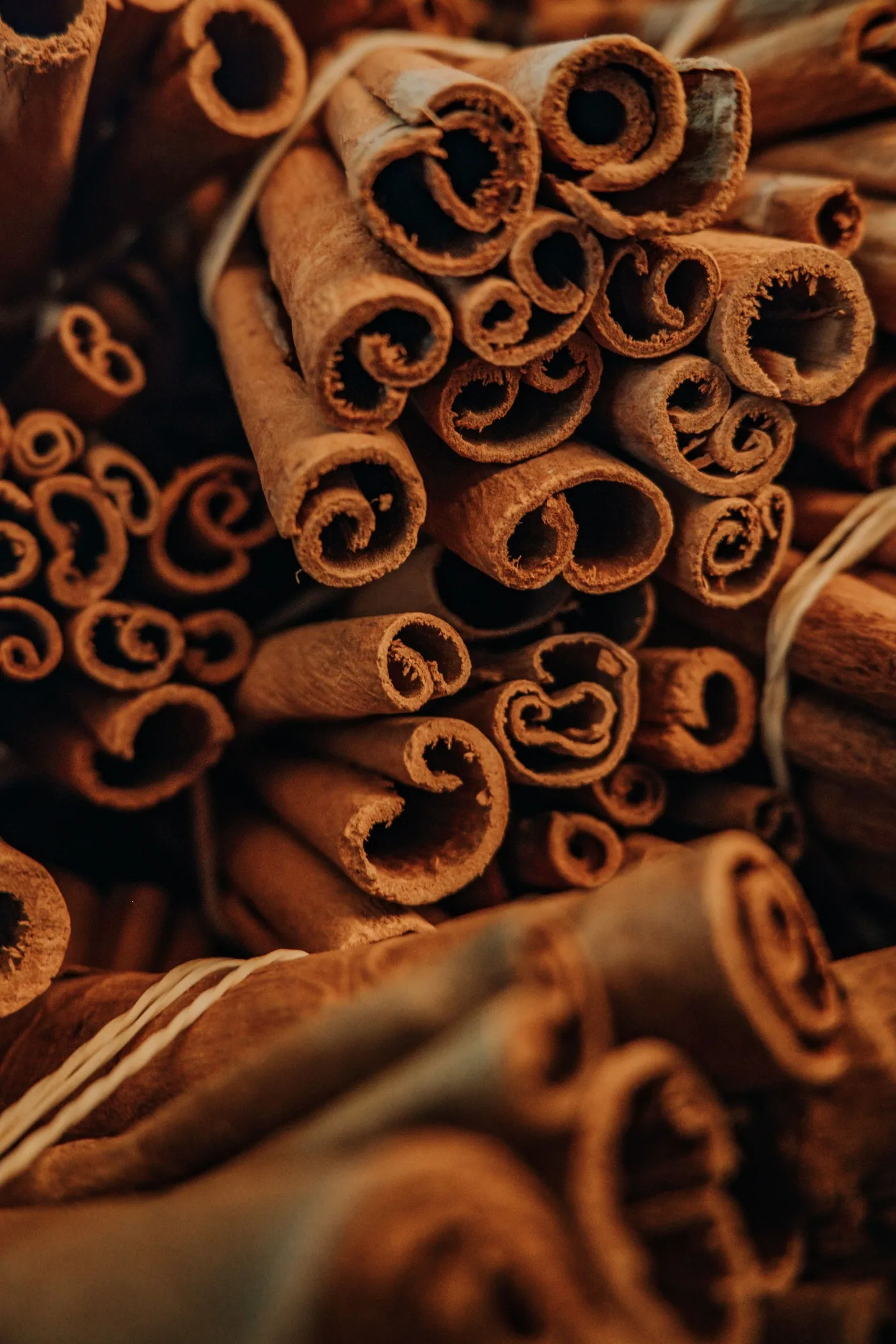
Cinnamon
DalchiniCoppiced for its bark, so the shape of the cut matters as much as the soil.
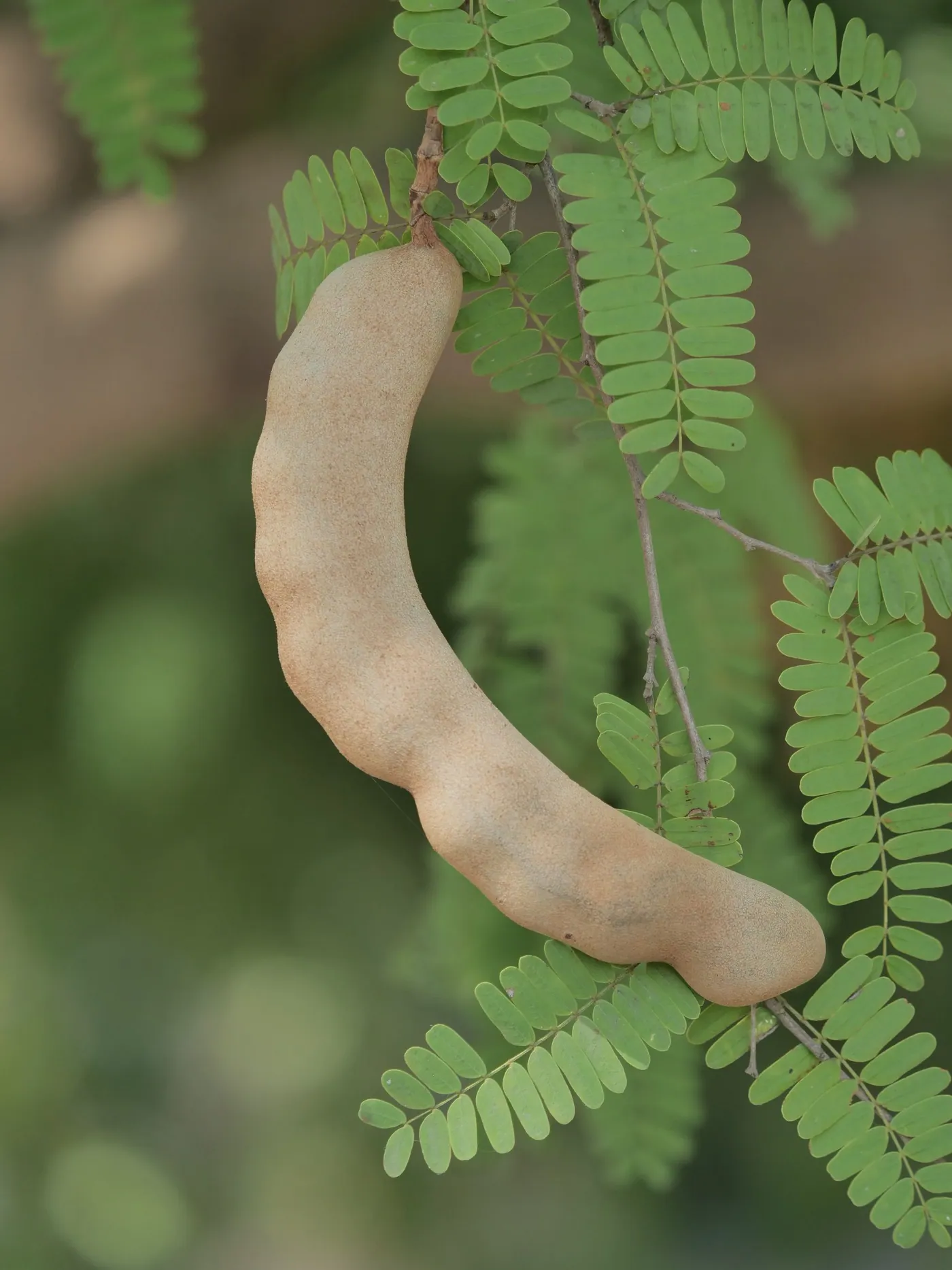
Tamarind
ChinchGrafted trees bear years earlier than seedlings, which changes the whole plan.

Betel Vine
PaanGrown under shade on live standards; leaf colour and an unbroken leaf set the price.
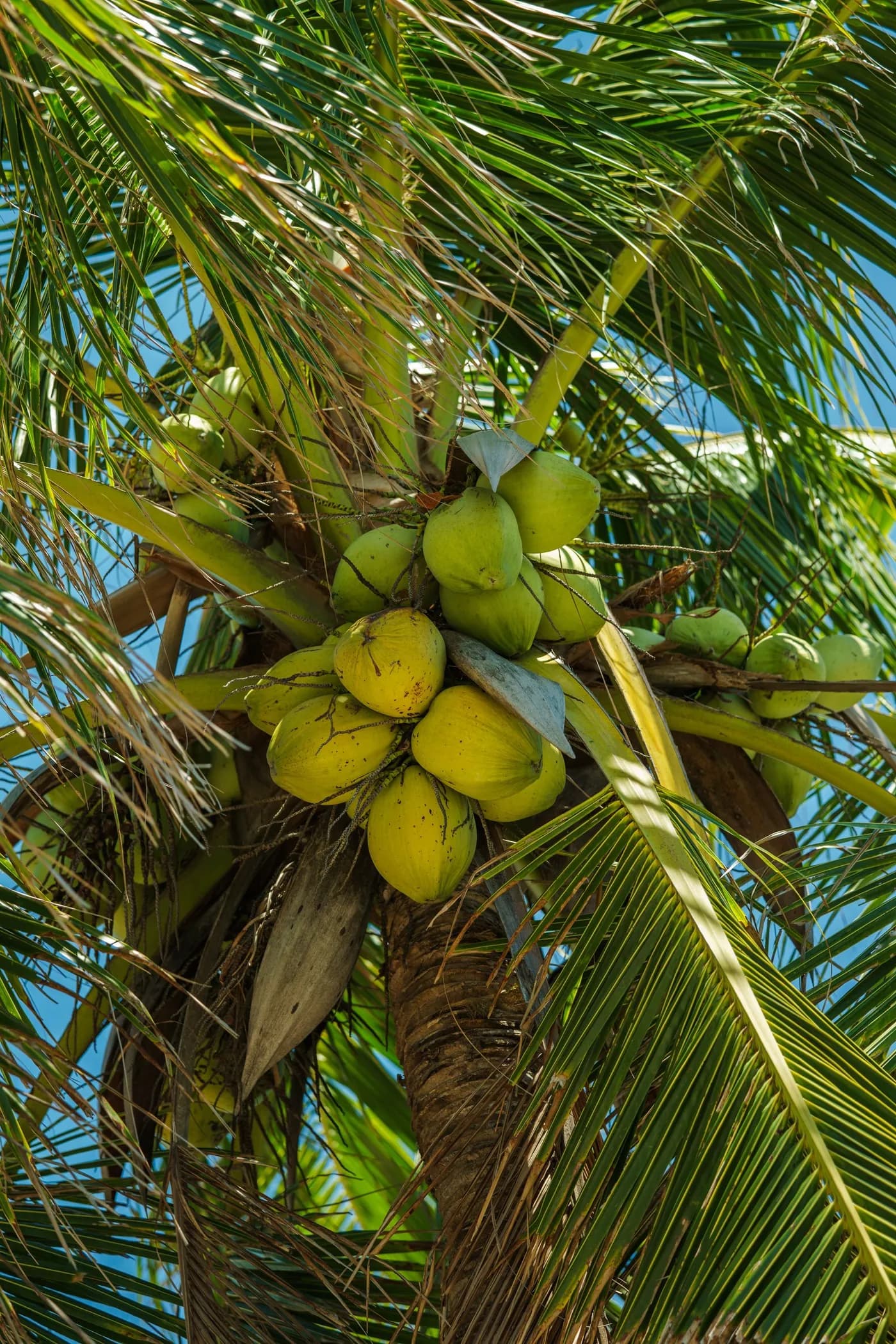
Coconut
NaralBasin irrigation and potash decide nut count far more than the palm's age.
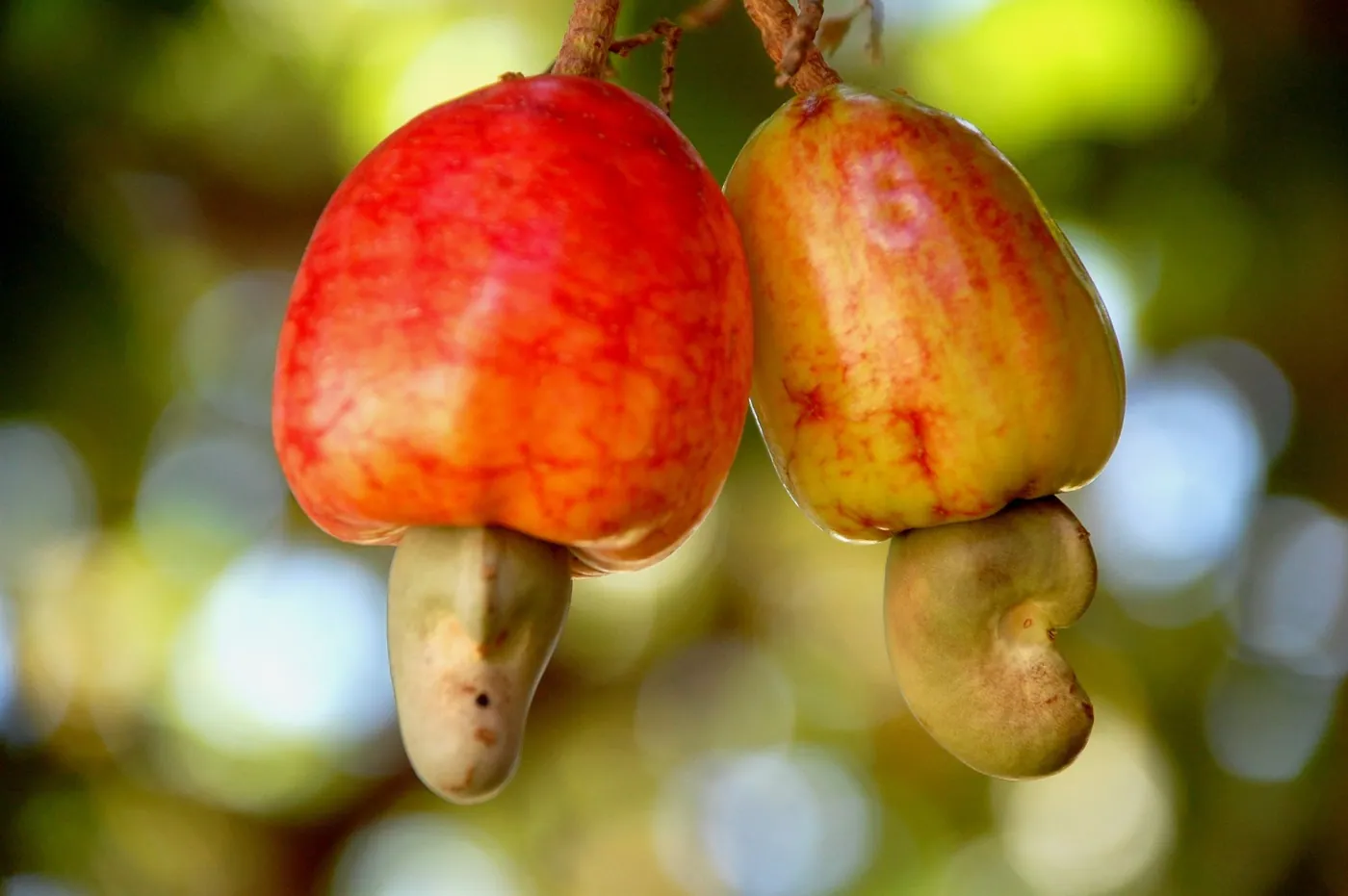
Cashew
KajuFlowering sits against tea mosquito bug; the spray window is narrow and fixed.
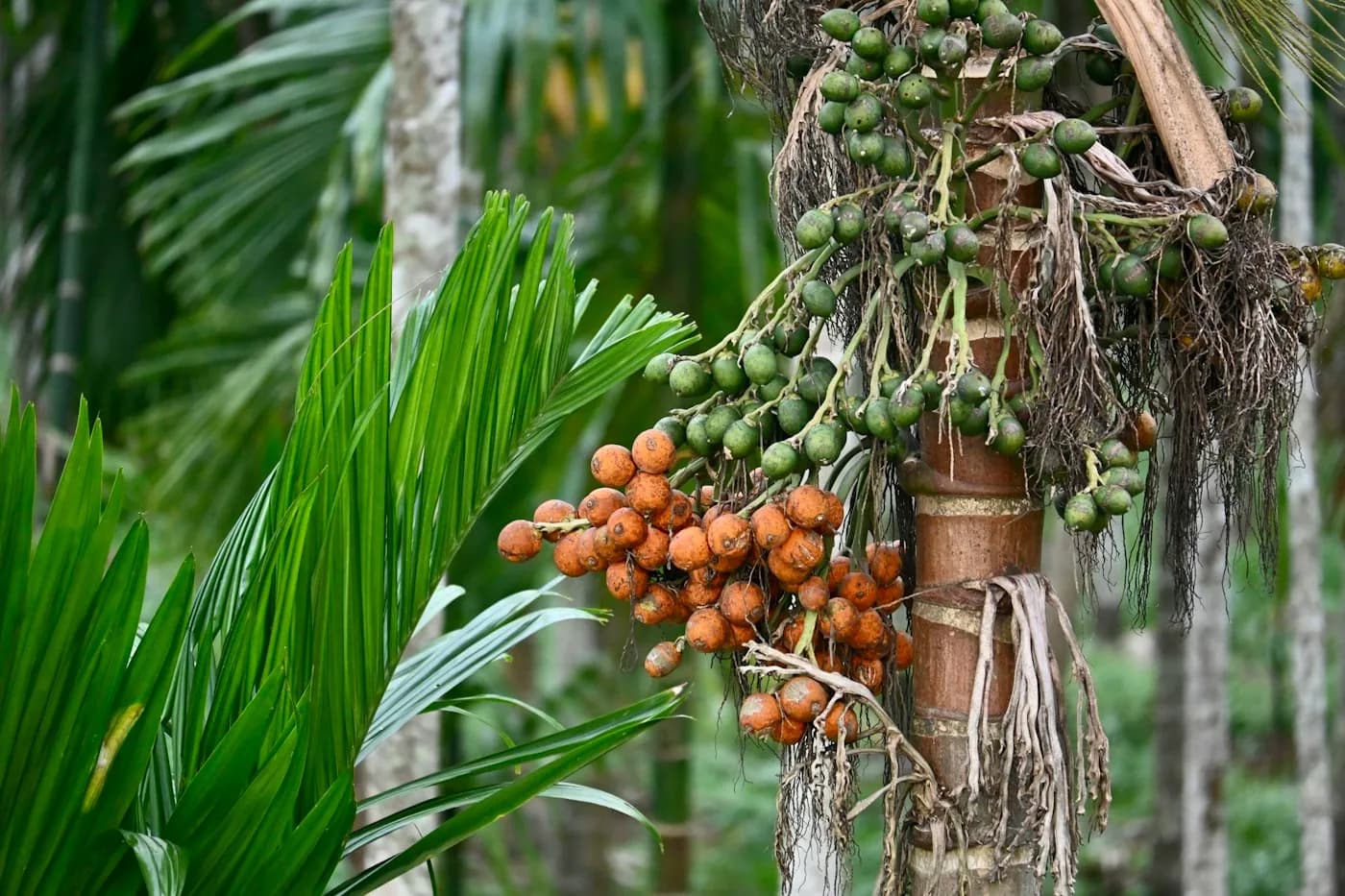
Arecanut
SupariA long-horizon crop; spacing and shade decide what can be intercropped for a decade.
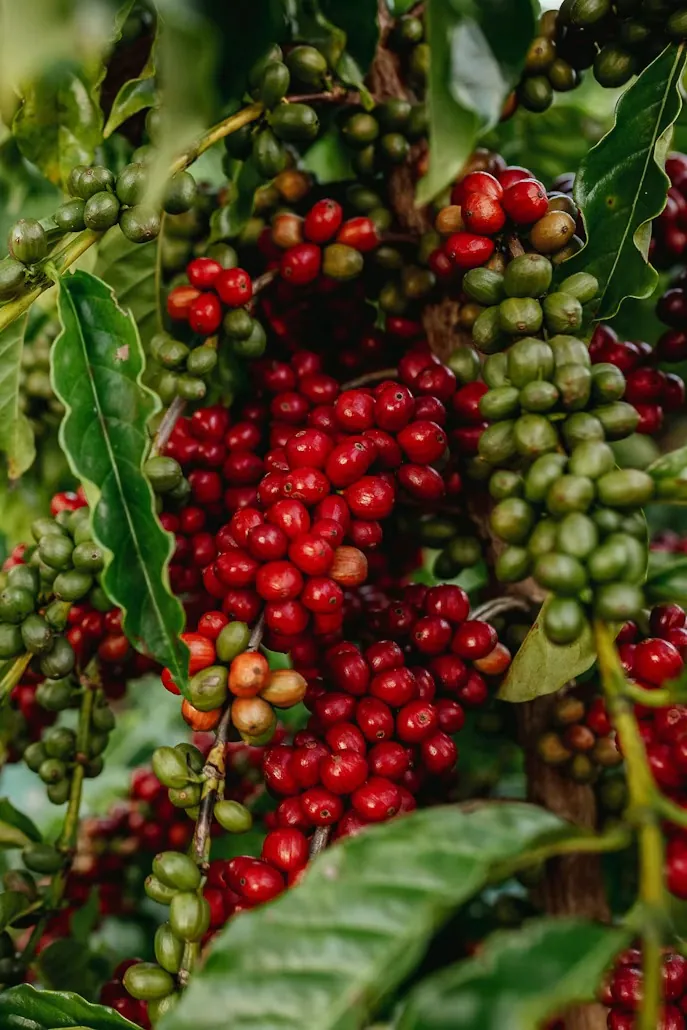
Coffee
KaapiGrown under shade; the blossom and backing showers set the year's crop.
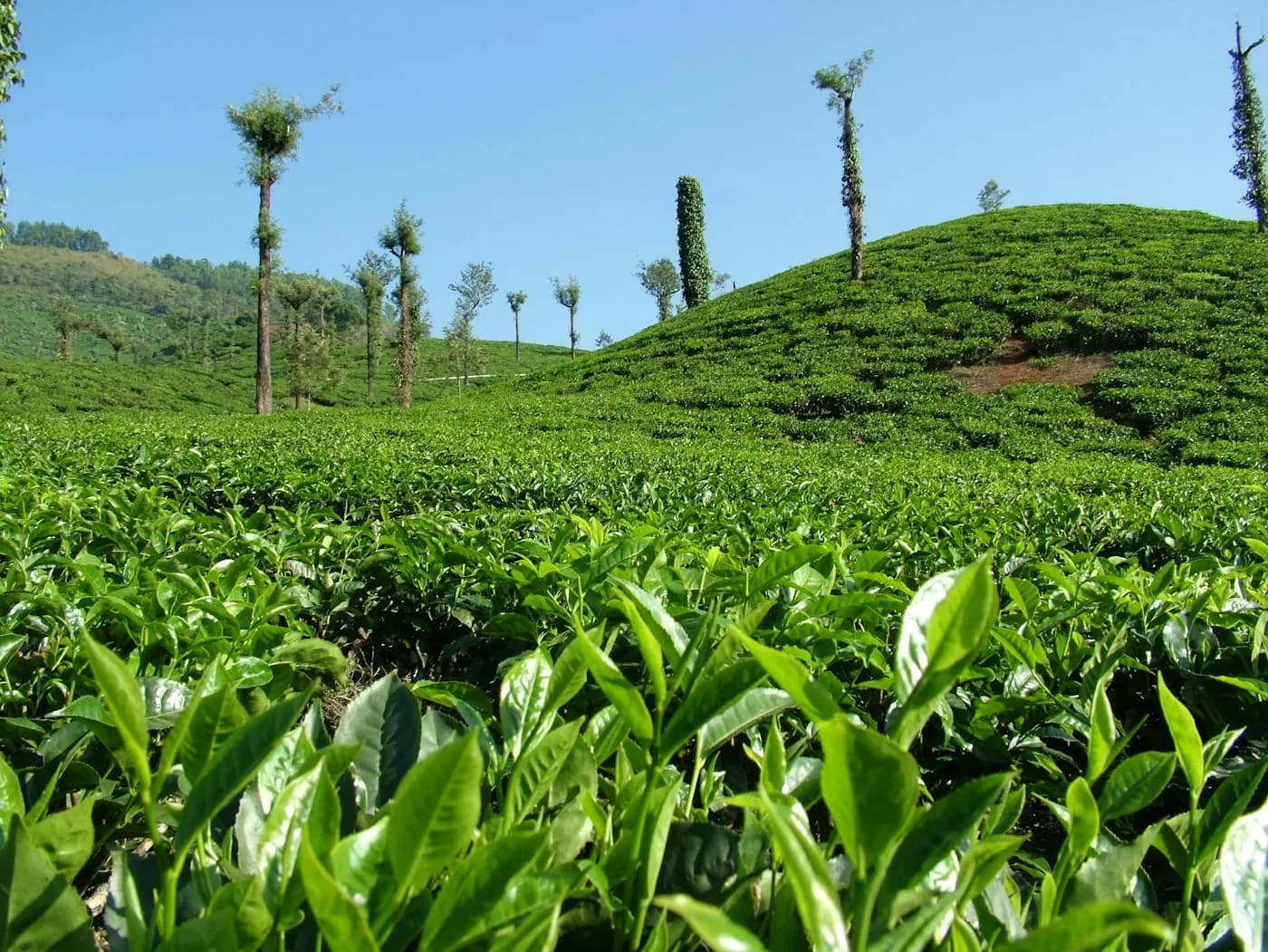
Tea
ChahaPlucked on a fixed round — the interval, not the bush, sets the grade.
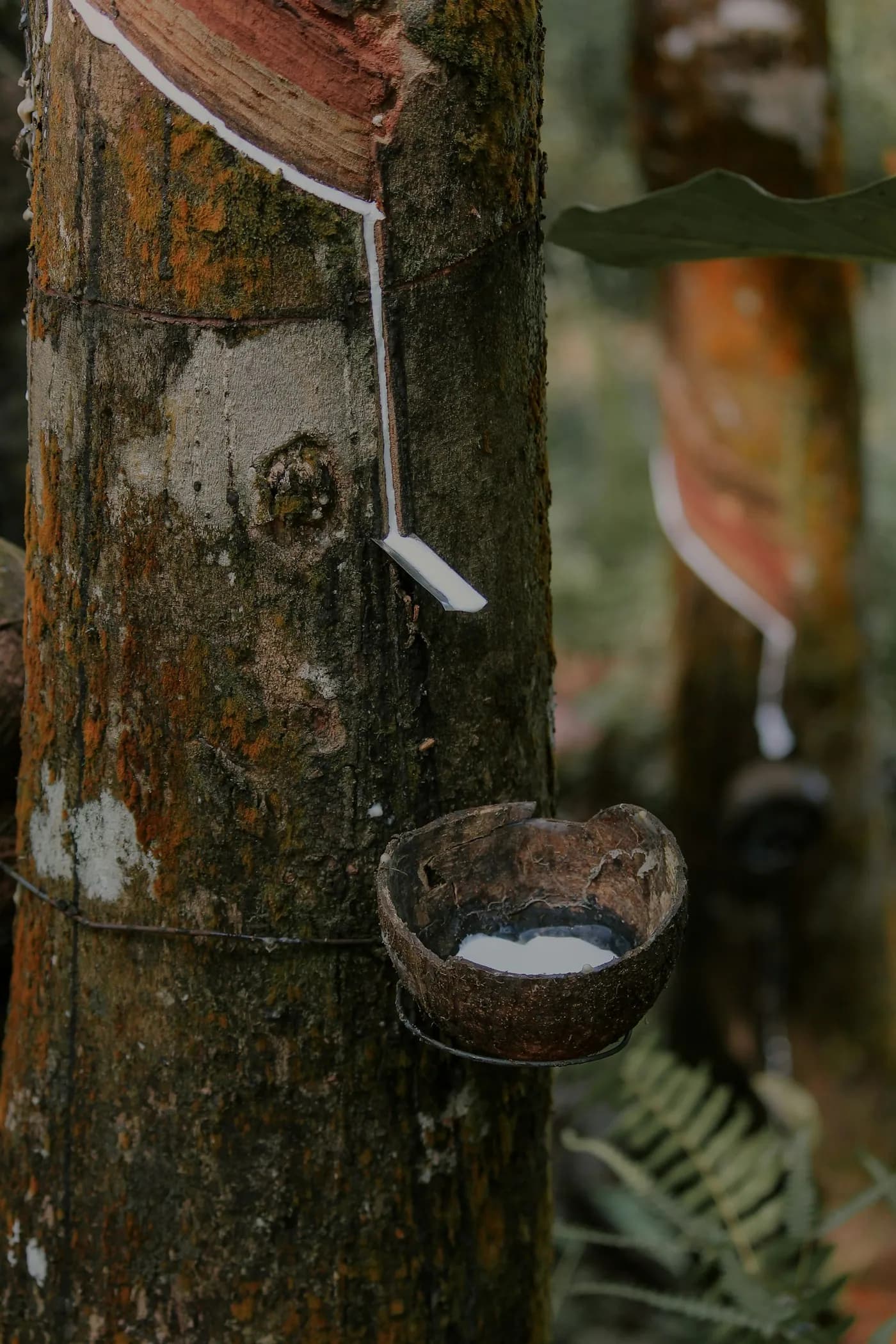
Rubber
Tapping panel management decides the tree's working life, not the first year's yield.
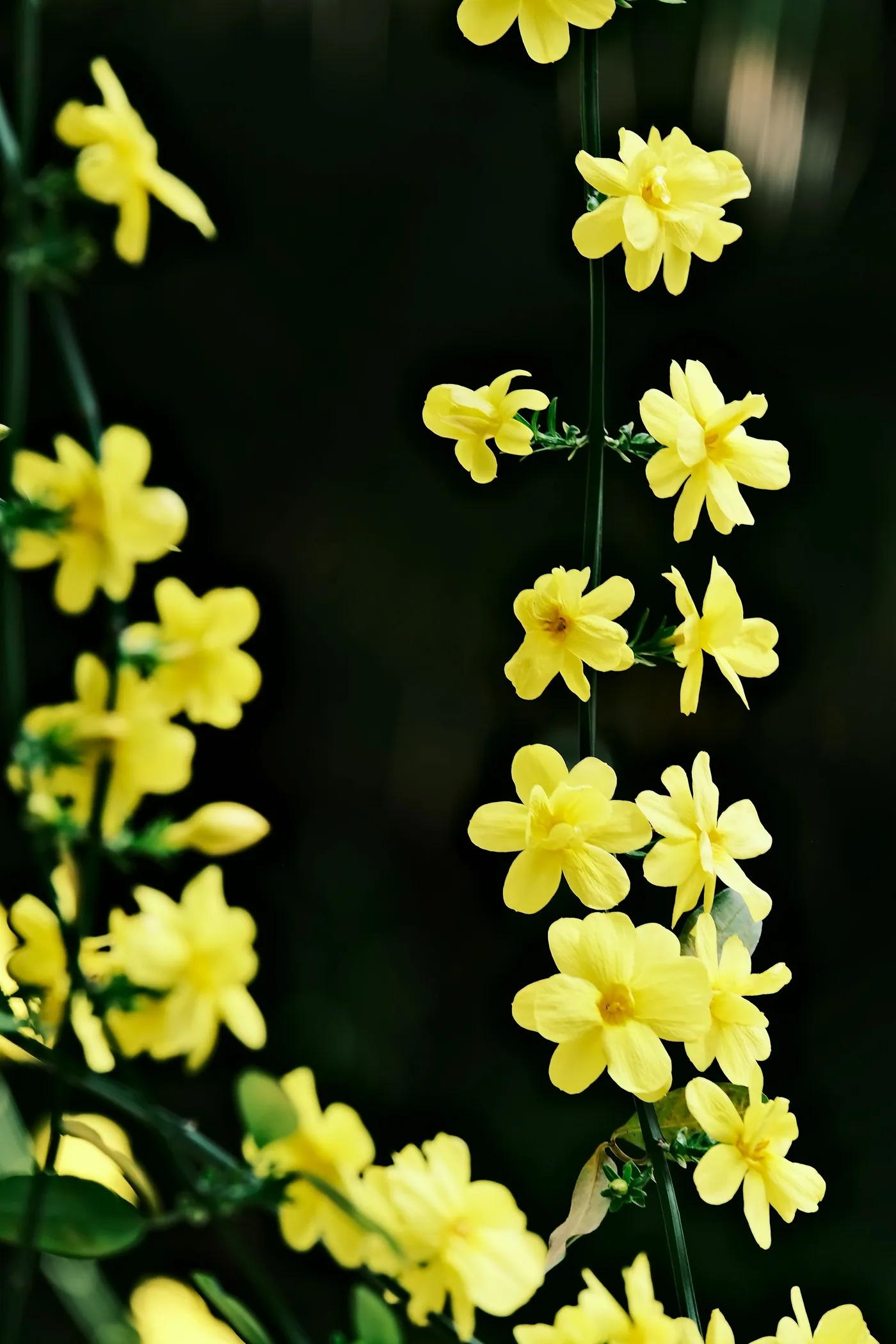
French Jasmine
JaiPicked before dawn for the perfumery trade, where yield is counted in flowers, not weight.
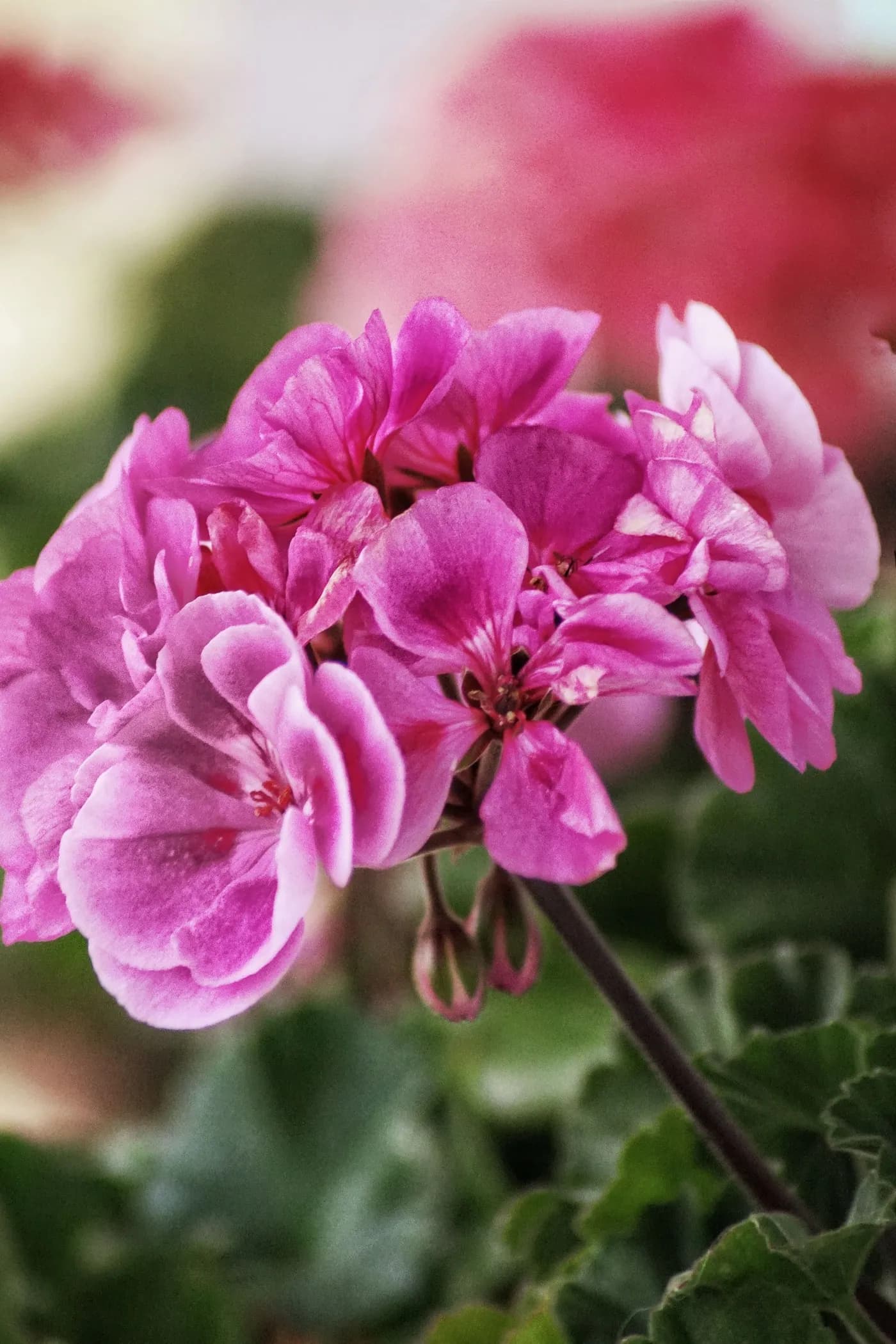
Rose Geranium
Cut two or three times a year and distilled fresh — the oil is in the leaf, so shade and spacing decide it.
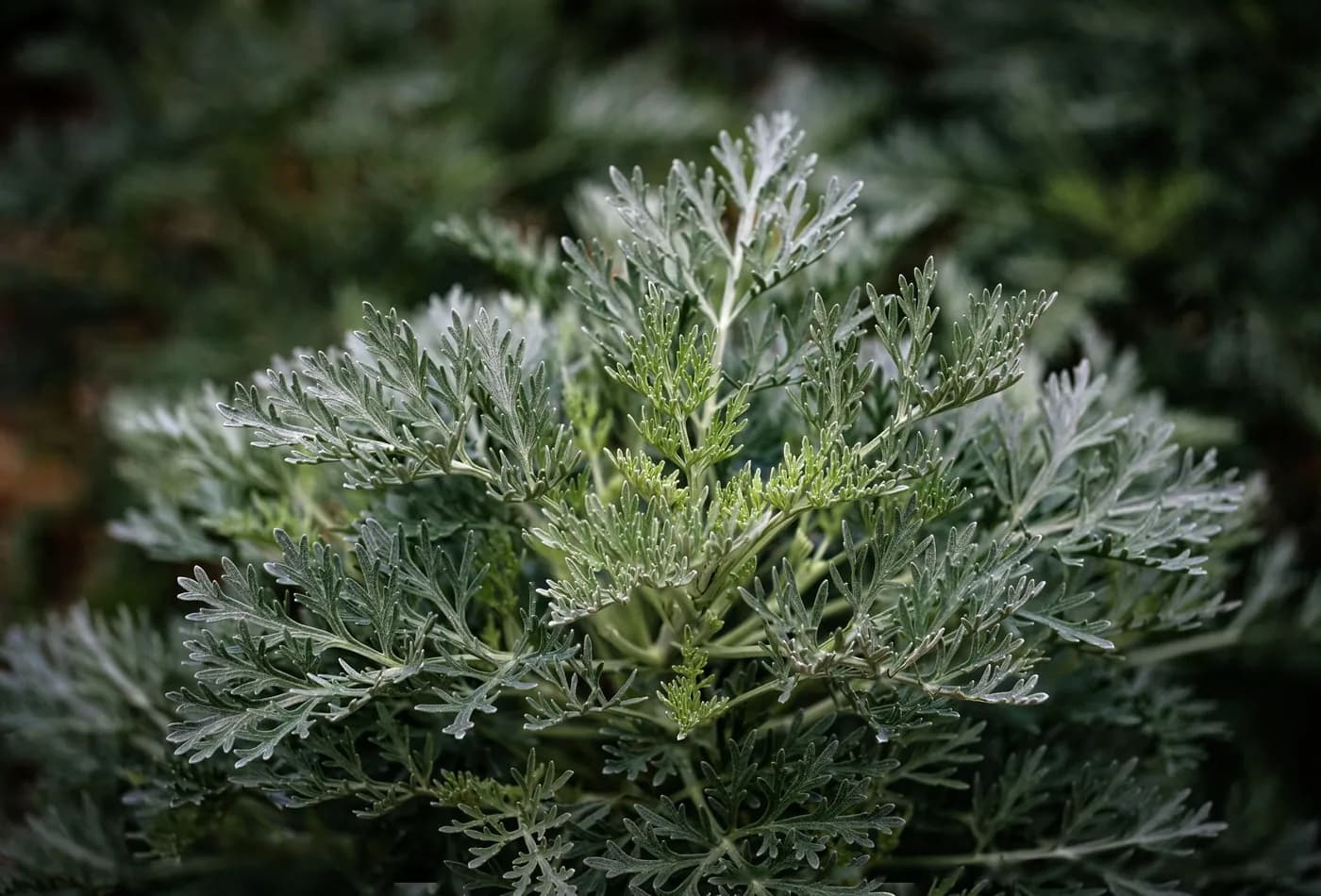
Davana
DavanamA short winter crop cut at flowering, when the oil in it peaks.
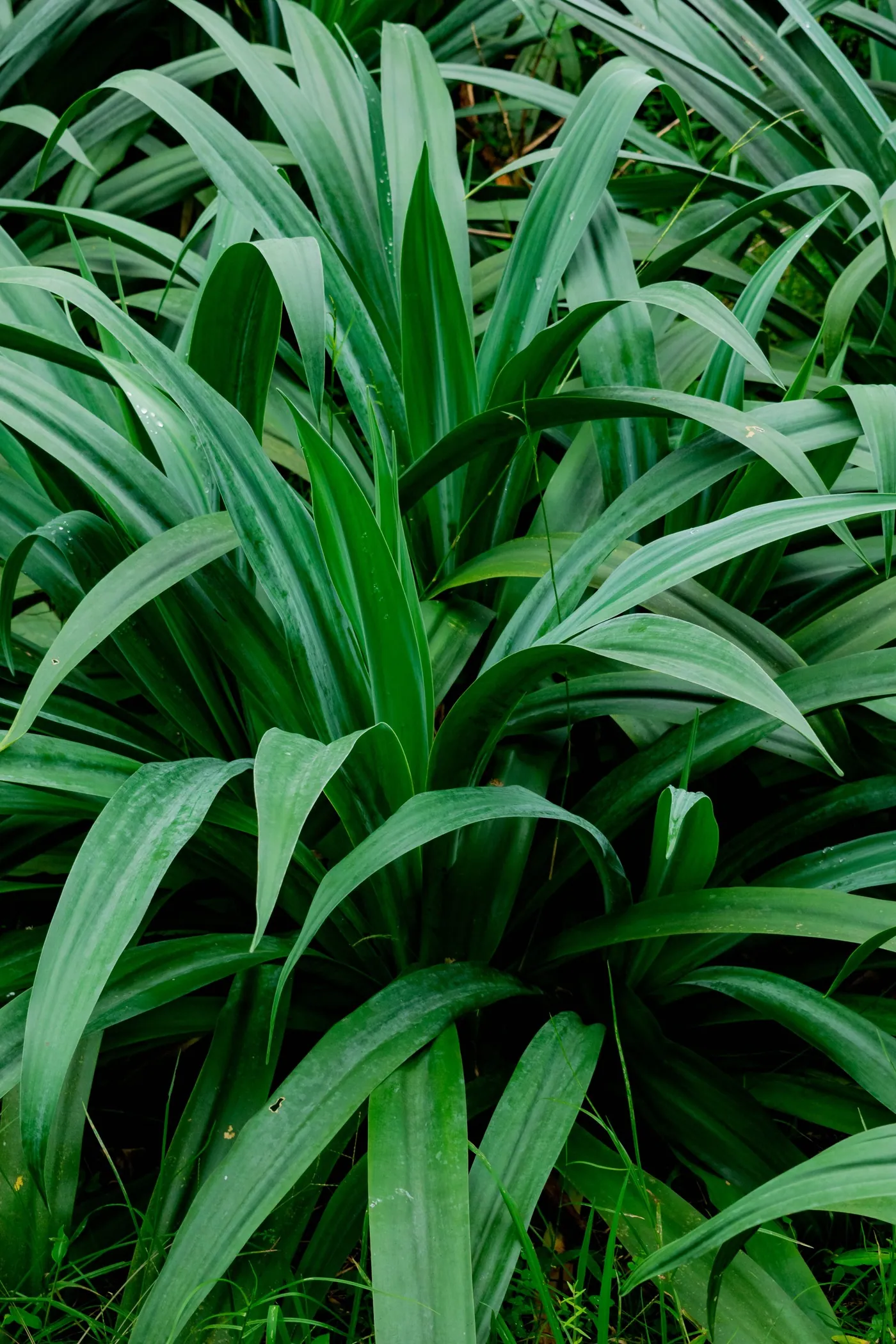
Kevda
KetakiCoastal and water-loving; only the male spike distils, so the planting is sexed from the start.
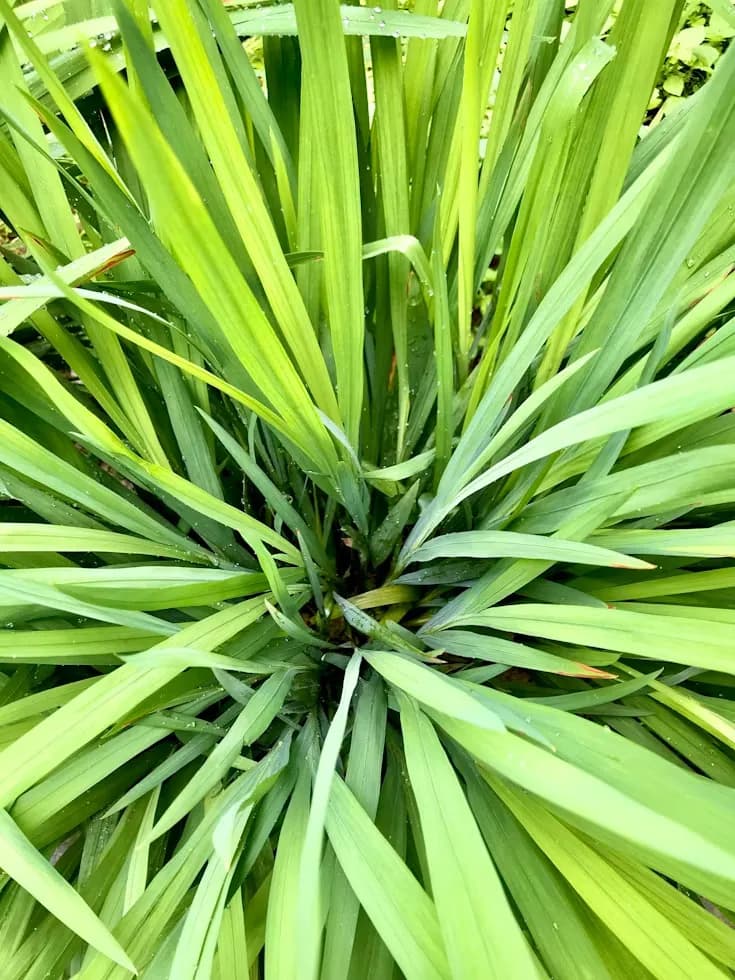
Lemongrass
Gavati ChahaHardy on poor land; cut every few months and distilled within hours for its oil.
Also supported
- Snake gourd
- Round gourd
- High-value vegetables
- Exotic vegetables
- Medicinal plants
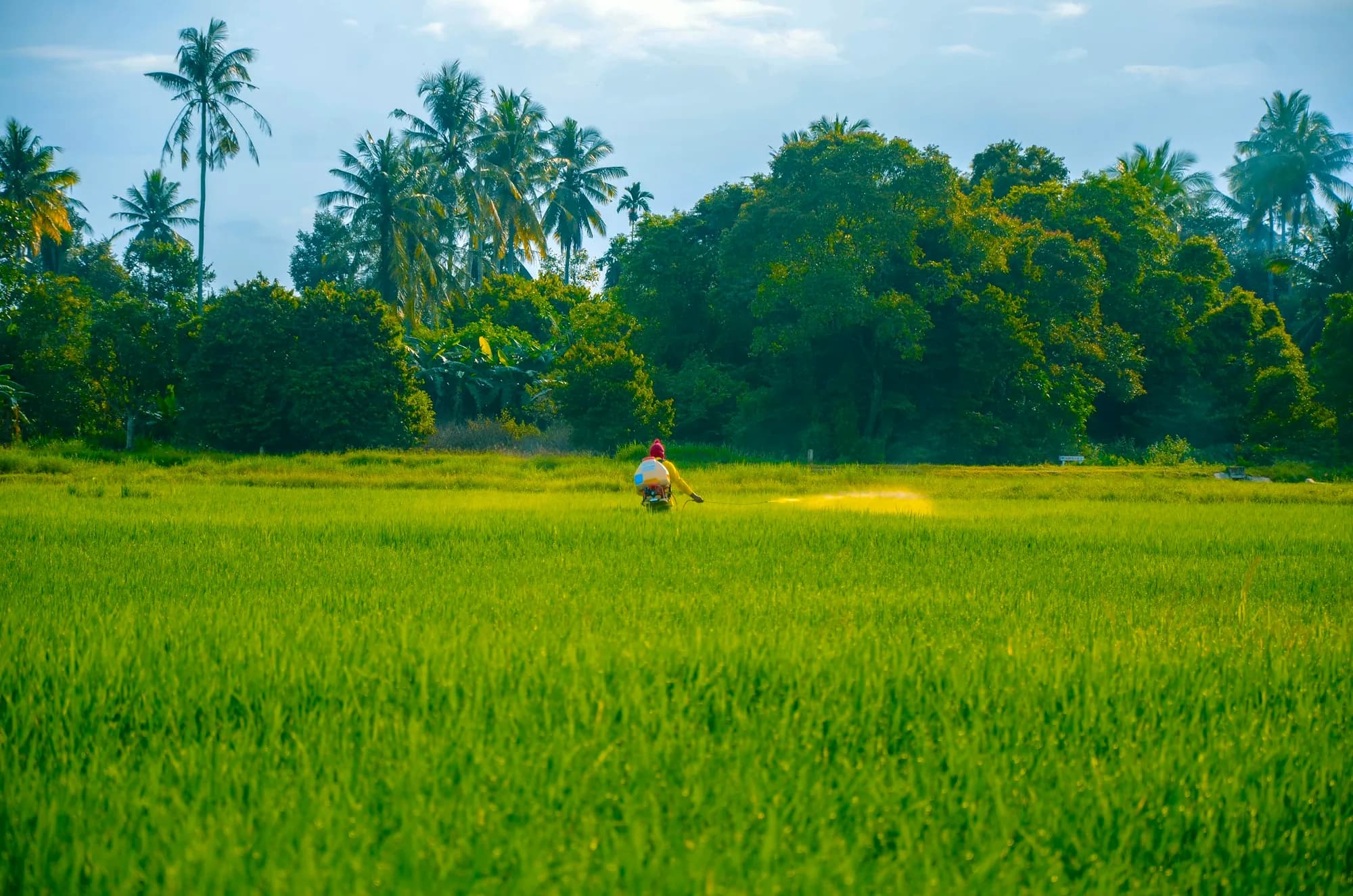
Sustainability
Healthy soil creates healthy crops. Prosperous future.
Sustainability is not a label we add at the end. It is the reason the field still pays in ten years — and every one of these is a decision made during planning, not after harvest.
Soil health first
Organic matter, structure and reclamation planned across seasons, not sprayed on at the end of one.
Water that reaches the root
Drip design, fertigation and scheduling by crop stage, so what you pump is what the plant drinks.
Integrated Pest Management before chemistry
Traps, biologicals and neem-based inputs first. A chemical spray only once the economic threshold is crossed.
Residue-free by design
Pre-harvest intervals and approved inputs planned in from sowing, so certification is a formality.
Our approach
Seven steps, in order, every time.
The sequence matters more than any single step. Skipping one is how a farm ends up with the right crop on the wrong soil, or the right plan and no way to water it.
- 01
Understand the farm
We start with what you have and what you want from it — holding size, history, labour, existing infrastructure and the return you need.
- 02
Assess soil and water
Soil testing and interpretation, water quality analysis, land suitability. Every recommendation after this point refers back to these numbers.
- 03
Study climate and market
Rainfall pattern, temperature windows, and the price behaviour of candidate crops in the markets you can actually reach.
- 04
Plan crop and farm layout
Crop zoning, irrigation layout, road access and drainage — drawn together so one does not compromise another.
- 05
Create the production strategy
Sowing calendar, stage-wise nutrition, spray schedule with rotation, and an IPM programme built on thresholds.
- 06
Monitor crop performance
Regular field monitoring through the season, with pest identification and course correction before problems compound.
- 07
Optimise yield and profitability
Review what the season returned against what it cost, and carry the lesson into the next crop cycle.
- Planning a new farm?
- Improving an existing farm?
- Chasing better crop productivity?
Let us build a smarter farming strategy.
Tell us the size of the holding, where it is, and what you want it to do. We will come back with what the land needs first.